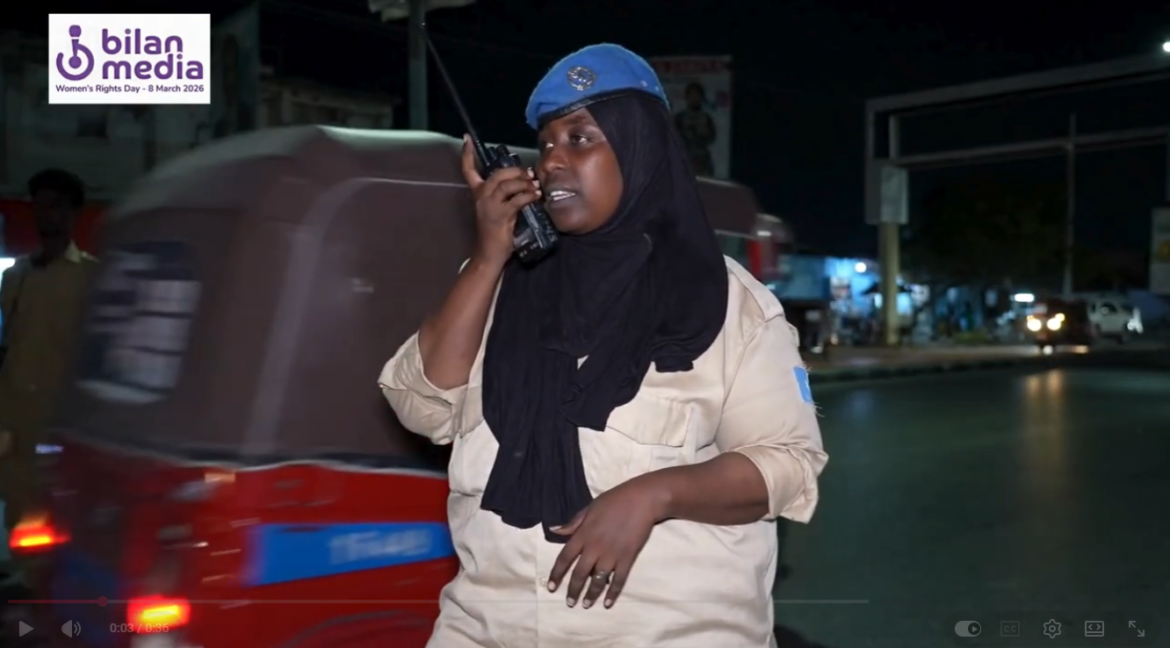
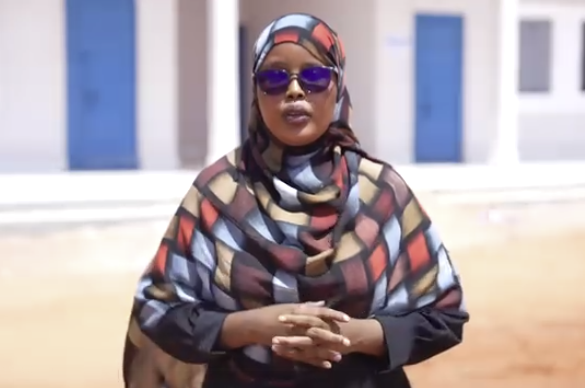
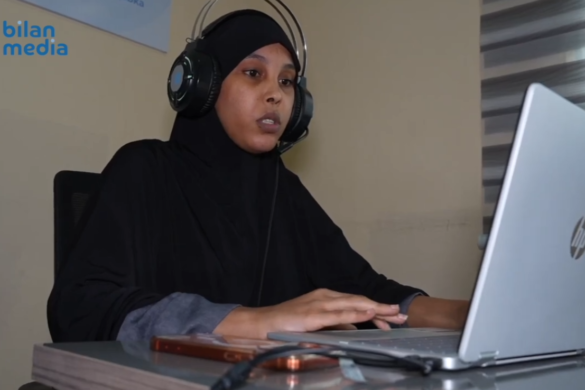
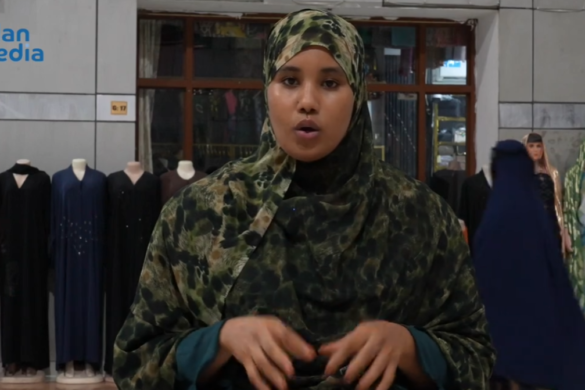
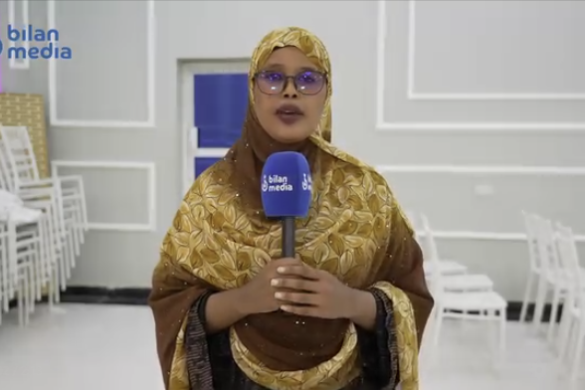
Muxuu yahay doorka haweenka ee nabadeynta colaadda beelaha walaalaha ah ee magaalada Ceerigaabo iyo sida ay uga shaqeeyeen is-afgaradka bulshada deegaanka. Wareysigan kaga boggo.
abdalleyahye
Germany has formally granted full recognition to Somali diplomatic passports, a major upgrade that removes long-standing travel barriers for Somali officials and signals deepening trust between the two governments.
The decision, announced on December 3 by the German Federal Police and the Federal Ministry of the Interior, means Somali diplomatic passport holders including senior government officials, accredited diplomats, and eligible dependents can now enter Germany without the previous layers of scrutiny or mandatory visa requirements. Their documents will be processed with the same privileges and immunities afforded to other globally recognized diplomatic passports.
Until now, Somali diplomatic passports were often verified only at departure points in Somalia, with holders still facing cumbersome procedures upon arrival in Germany. The new policy aligns German practice with international conventions and integrates Somali diplomatic passports directly into Germany’s border-control and immigration systems.
German authorities described the move as “a demonstration of the advancement of travel documentation, travel services, and the strengthening of diplomatic relations between Somalia and Germany.” The update is already in effect, with internal guidelines for border and immigration officials reportedly revised.
The recognition marks a symbolic and practical milestone for Somalia. For years, Somali travel documents suffered from limited global acceptance due to concerns over security and institutional capacity. Germany, a leading EU member state and a major supporter of Somalia’s stabilization and governance reforms, is now offering one of the clearest endorsements yet of Somalia’s progress in modernizing its state systems.
Beyond easing travel, the shift represents a diplomatic vote of confidence. It normalizes the treatment of Somali diplomats, reinforces Somalia’s sovereign standing, and is expected to enhance bilateral cooperation across political, development, and security sectors. The decision may also set a precedent for other EU countries reviewing their own policies toward Somali travel documents.
With this recognition, Germany signals that Somalia is entering a new era defined not by past isolation but by reintegration, institutional maturity, and strengthened international partnerships.
In recent years, the number of Somali women joining the national police force has increased significantly, reflecting broader social changes and the country’s growing need for their contribution to security and post-conflict recovery.
For decades, women have played an essential role in family care and community support. Today, however, their responsibilities extend further, as they take on formal roles within the police force, contributing directly to public safety and community services.
Increasing Participation of Women in the Police
More than 2,000 women currently serve in the Somali Police Force, with several hundred more undergoing training to qualify for security duties. This trend highlights the gradual entry of women into fields traditionally dominated by men.
Senior police officials note that the presence of women has strengthened community relations, especially in areas where public trust and communication are critical.
Public Perception and Acceptance
According to Lt. Col. Qaali Ahmed Cadan, Head of Community Engagement within the Somali Police, the visibility of women in uniform has helped shift public perceptions:
“Communities often show encouragement and support when they see women serving in the police. This has motivated many young women to consider joining the force.”
How Women Joined the Force
Many women who now lead police stations or operational units joined during periods when recruitment was particularly challenging. Despite limited opportunities, they pursued demanding roles that had long been associated with men.
Lt. Col. Raxmo Salad Mohamed, Commander of the Xamar Jajab Police Station, explained:
“I joined the force unexpectedly, during a time when recruitment was difficult. But once I entered, I focused on serving the community.”
Comparing Roles of Men and Women
Police officials emphasize that men and women share the same formal duties, but women often demonstrate strengths in areas that require community interaction, empathy, and handling sensitive situations.
As Lt. Col. Qaali noted:
“The differences are work-related. Women often show patience and better engagement with the public in everyday duties.”
Women’s Contribution to Security and Stability
Women serve across multiple divisions within the police, including community protection social-affairs investigations security of key public facilities public awareness and outreach operations
Officials say their presence has helped build public trust, particularly among women and children who find it easier to approach female officers.
The growing number of women in the Somali Police Force reflects important social progress and the need for security institutions that are trusted, accessible, and community-focused. Although challenges remain including limited resources, workload pressures, and persistent social attitudes women continue to play a vital role in strengthening security and supporting Somalia’s long-term stabilization.
MAXAA HAWEENKA GOBOLKA SANAAG KAHORTAAGAN INEY DHAXLAAN HANTIDA GEEDAHA UDGOONKA ?
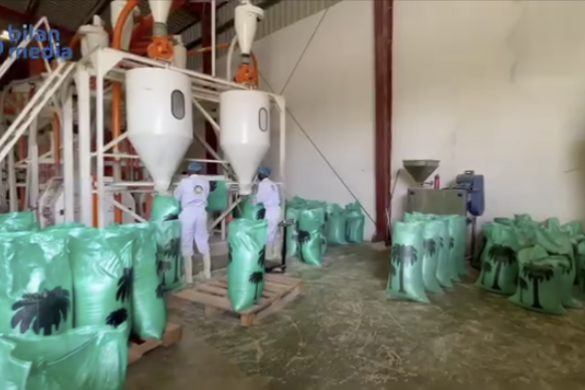
Kheyraadka Geedaha Udgoonka maxaa Haweenka Gobolka Sanaag Ka Hor Istaagaya Lahaanshaha Hantidan oo ragga Kaliya u Dhaxlaan ?
Somalia and Azerbaijan strengthen youth and sports cooperation in high-level meeting
A delegation from the Federal Government of Somalia’s Ministry of Youth and Sports, led by Minister Mohamed Abdulkadir Ali, has paid an official working visit to Baku, the capital city of Azerbaijan.
During the visit, Minister Ali held a comprehensive meeting with Azerbaijan’s Minister of Youth and Sports, Farid Gayibov. The discussions focused on expanding and strengthening cooperation between the two countries in several key areas, including youth policy development, cultural exchange and youth integration, training initiatives, athlete development, and the advancement of youth-centered projects in both nations.
Both ministers agreed on the importance of deepening the partnership between their respective ministries. They jointly emphasized the need to advance a Bilateral Agreement that would serve as an effective framework to address the evolving needs of youth and sports sectors in the two countries.
Throughout the meeting, the two sides also explored ways to formally launch a Memorandum of Understanding (MoU) that will outline the structure and mechanisms for sustained collaboration. The proposed MoU is expected to guide joint programs, capacity-building activities, and knowledge-sharing opportunities between Somalia and Azerbaijan.
The Minister’s visit marks a significant milestone in strengthening Somalia–Azerbaijan relations. Officials anticipate that the upcoming MoU will pave the way for substantial progress in youth empowerment, sports development, and broader people-to-people cooperation between the two nations.
Prime Minister Hamza meets the Global Council for Tolerance and Peace delegation in Mogadishu
The Prime Minister of the Federal Government of Somalia, Hamza Abdi Barre, today received a delegation from the Global Council for Tolerance and Peace, led by the Council’s President, Ahmed bin Mohammed Al-Jarwan.
Prime Minister Hamza listened to the delegation’s message, which underscored the importance of peace, reconciliation, and global cooperation. The visit also aimed at advancing discussions on a memorandum of understanding to be signed between the Global Council and the Somali Parliament.
The Prime Minister thanked the delegation for their visit and shared with them the national leadership’s vision built on the principle of “A reconciled Somalia, at peace with the world.” He highlighted the significant progress the DanQaran Government has made in restoring peace, promoting community reconciliation, and strengthening national unity.
The delegation included parliamentarians from the sisterly nation of Djibouti—Hon. Cilmi Maxabah Wala and Hon. Abdoow Kaamil Mohamed-alongside former Somali lawmakers and officials who accompanied the meeting.
At the conclusion of the discussions, Prime Minister Hamza Abdi Barre presented Chairman Ahmed bin Mohammed Al-Jarwan with a symbolic gift featuring a camel, an emblem deeply rooted in Somali culture representing generosity, resilience, and heritage.
Somalia reopens Sabiid and Anole bridges in Lower Shabelle to boost economy and security
The Ministers of Defence and Interior of the Federal Government of Somalia, Ahmed Maalim Fiqi and Ali Yuusuf Ali, officially inaugurated the rebuilt Sabiid and Anole bridges in Lower Shabelle today, marking a significant milestone in the government’s efforts to restore critical infrastructure across the country.
The ribbon-cutting ceremony was attended by senior officials from the Somali National Army, representatives of the African Union Mission in Somalia (AUSSOM), and officials from the Government of Turkey, highlighting the collaborative effort involved in the reconstruction project.
Speaking at the event, Minister Ahmed Maalim Fiqi emphasized the importance of the bridges in improving mobility, trade, and regional connectivity. “These bridges are not just structures of concrete and steel; they are lifelines for the communities of Lower Shabelle. Reopening them restores safe passage for goods, services, and residents, while strengthening security in the region,” he said.
Minister Cali Yuusuf Cali added that the reopening of the Sabiid and Anole bridges reflects the Federal Government’s commitment to rebuilding essential infrastructure damaged by Al-Shabaab earlier this year. “Our priority is to ensure that all regions are connected, secure, and capable of contributing to Somalia’s economic recovery,” he stated.
The reconstruction of the bridges forms part of a broader government initiative to rehabilitate infrastructure in conflict-affected areas. The projects are expected to facilitate smoother movement of commercial goods and services, improve access to education and healthcare, and support the ongoing stabilization efforts led by Somali security forces.
Representatives from AUSSOM and the Turkish government reaffirmed their continued support for Somalia’s rebuilding process. They highlighted that the collaborative efforts are vital not only for infrastructure development but also for fostering peace, stability, and socio-economic growth in the region.
Local residents expressed optimism about the reopening of the bridges, noting that they will reduce travel time and enhance access to markets, schools, and health facilities. Traders in the region also welcomed the development, saying it will help revive commerce and restore livelihoods disrupted by earlier insecurity.
The successful completion of the Sabiid and Anole bridges underscores the Federal Government’s strategic focus on infrastructure, economic recovery, and security. Officials confirmed that similar reconstruction projects are planned in other regions, aiming to reconnect communities and reinforce the foundations of Somalia’s long-term development.
The President of the Federal Republic of Somalia, Hassan Sheikh Mohamud, held a high-level meeting today with His Highness Sheikh Tamim Bin Hamad Al Thani, Emir of Qatar, in the Qatari capital, Doha.
During the meeting, the two leaders reviewed the longstanding ties between Somalia and Qatar and discussed ongoing regional developments. They also revisited previously agreed partnership initiatives focusing on infrastructure investment, security collaboration, and diplomatic engagement.
President Hassan Sheikh Mohamud briefed Emir Tamim on Somalia’s current national situation, highlighting progress in government reforms, counter-terrorism efforts, and the implementation of direct elections. He emphasized Somalia’s commitment to building inclusive governance and ensuring national stability.
In response, Emir Tamim Bin Hamad reaffirmed Qatar’s continued support for the Somali people and government, noting that Qatar remains a key partner in Somalia’s development and stability efforts.
The discussion underscores the mutual commitment of both nations to strengthen bilateral cooperation and foster regional peace, security, and prosperity.
Somalia’s Health Minister participates in the Doha Forum 2025 panel on global health financing.
The Minister of Health and Human Services of the Federal Government of Somalia, Dr. Ali Haji Adam, participated today in the Doha Forum 2025, an international platform currently underway in Doha.
The Minister joined a global panel discussion focusing on the impact of declining international aid on Somalia’s health system. During the session, he underscored the need to strengthen domestic health financing and expand effective cooperation among Global South countries through South–South partnerships.
Dr. Ali highlighted emerging opportunities for collaboration, investment, and knowledge-sharing that can support the resilience and long-term development of Somalia’s healthcare services. He emphasized that sustainable progress requires a balanced approach combining local ownership, strengthened institutions, and strategic global partnerships.
The Minister was accompanied by the Director-General of the Ministry, Dr. Guled Abdijalil Sheikh Ali, along with other senior officials. The delegation is scheduled to participate in a series of high-level meetings aimed at expanding international cooperation and mobilizing support for Somalia’s health sector.
Speaker Abdi Hashi receives the Global Parliament for Tolerance and Peace delegation in Mogadishu.
The Speaker of the Upper House of the Federal Parliament of Somalia, Hon. Abdi Hashi Abdullahi, accompanied by the Second Deputy Speaker, Hon. Abdullahi Ali Hersi Timacadde, today received a high-level delegation led by the President of the International Parliament for Tolerance and Peace, Hon. Ahmed Mohammed Al-Jarwan, at the Senate headquarters in Mogadishu.
The discussions focused on strengthening the role of legislative institutions in promoting peace, tolerance, dialogue, reconciliation, and mutual understanding. Both sides emphasized the importance of Somalia becoming a full and active member of the International Parliament for Tolerance and Peace, enabling the country to present its peace-building vision and social harmony on global platforms.
At the conclusion of the meeting, Speaker Abdi Hashi and President Al-Jarwan jointly signed a Memorandum of Understanding (MoU), officially paving the way for Somalia’s Upper House to join the International Parliament for Tolerance and Peace — an organization that brings together over 100 member states committed to advancing peace and coexistence around the world.