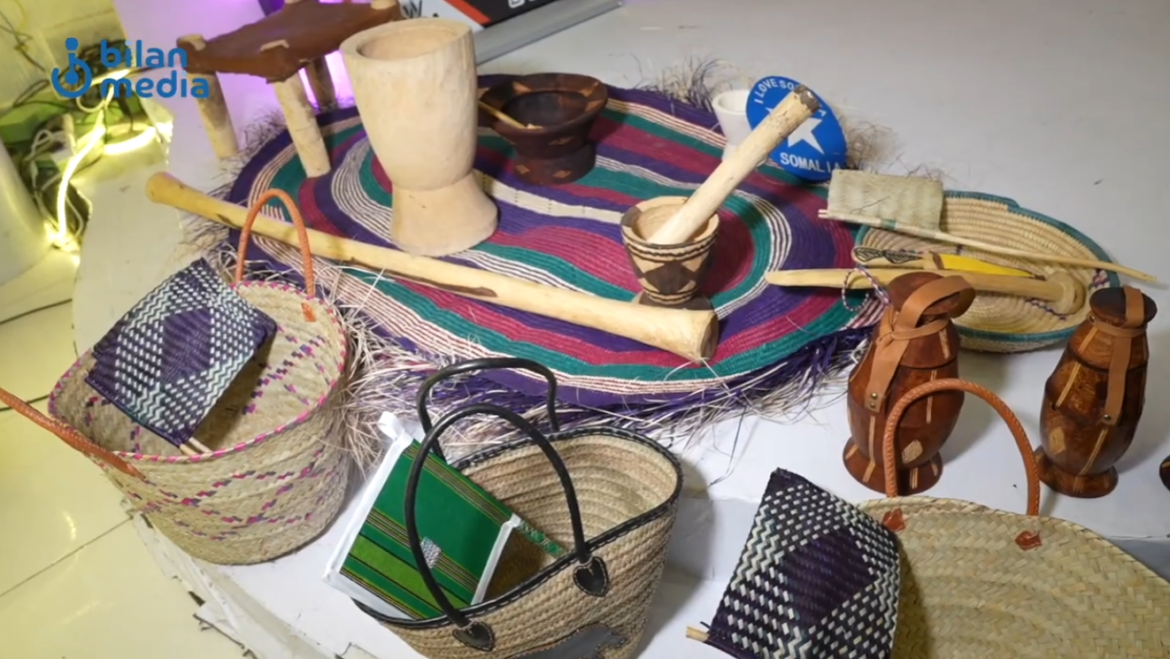
Muqdisho ayaa martigelisay bandhig dhaqameed lagu soo bandhigay hodantinimada dhaqanka Soomaaliyeed, sidoo kalena dhalinyaro ayaa loo diyaariyey inay noqdaan model. Mogadishu hosted a cultural exhibition celebrating the richness of Somali heritage. Youth were also trained and featured as models, showcasing the vibrancy of the next generation.
BILAN MEDIA
The Somaliland Police have called on residents of Borama to exercise restraint following protests that left two youths dead and several others injured. The demonstrations, which began yesterday evening, were sparked by opposition to the celebration of the book “Heer Ise” in Saylac.
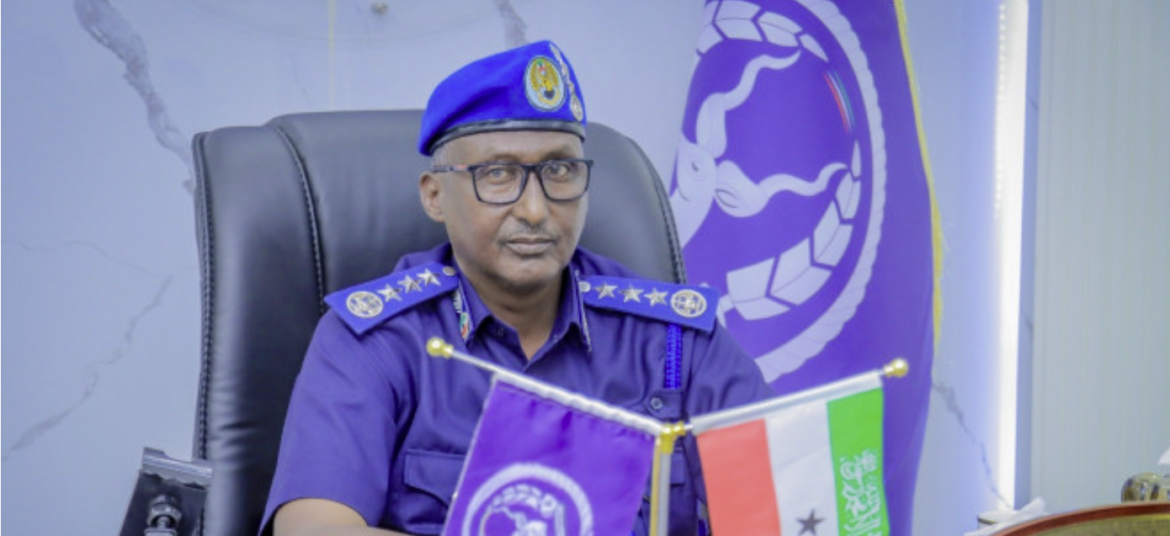
Police Commander Abdirahman Abdillahi Hassan, also known as Abdi Dheere, told the press that security forces are actively working to maintain order in the city. He warned against the destruction of public and private property during the demonstrations.
“People have the right to protest and voice their opinions, but burning property is unacceptable. The streets of Borama should not be set on fire,” Commander Abdi Dheere said.
He accused certain groups of exploiting the protests for personal gain, citing attacks on public and private assets, including the Central Bank branch. He emphasized that security forces would no longer tolerate such incidents and called on the public to engage in dialogue to address their grievances.
Suldaan Dhawal, a local traditional elder, said the region’s leaders recently met with Somaliland President Abdirahman Mohamed Abdillahi (Irro). “While we do not support the book celebration, we intended to share our position with the media today. However, the government acted preemptively, escalating tensions,” he said.
As of this morning, Borama remains tense with sporadic protests. Security forces continue patrolling markets and major streets. Some demonstrators are waving the Awdal State flag and chanting slogans demanding regional autonomy.
The city hospital has received the bodies and injuries of those affected during clashes between police and protesters. Critics accuse the Somaliland government of using excessive force against unarmed demonstrators. No official resolution has yet been proposed to ease the tension in the city.
President Mohamud urges somali youth to drive innovation and national development
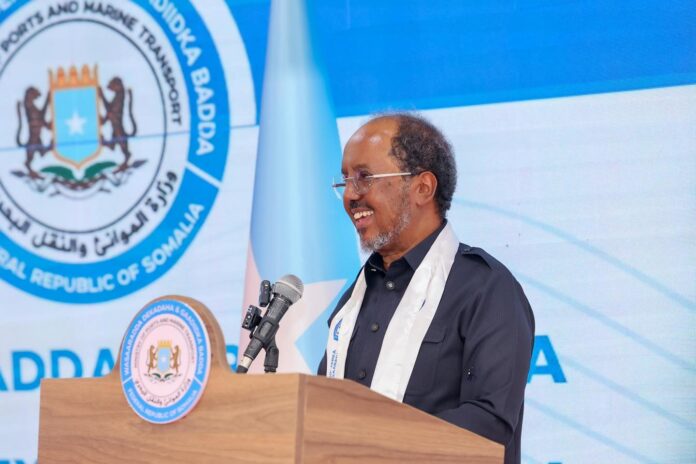
The President of the Federal Republic of Somalia, Hassan Sheikh Mohamud, on Thursday officially closed the 6th Somali Youth Leadership and Innovation Forum, highlighting the government’s plans to empower the nation’s youth. Key initiatives include reforms in education, the promotion of youth programs, and enabling citizen participation in national elections, creating opportunities for young Somalis to take an active role in governance.
Listening to the advice and perspectives of young leaders, President Hassan Sheikh emphasized the importance of uniting their minds, creativity, skills, and efforts to ensure Somalia can compete globally. He called on youth to channel their energy into innovation, organization, and collaborative leadership as catalysts for meaningful change.
“Today, we must act swiftly and achieve progress. Somali youth are expected to bring creativity grounded in organization, unity, awareness, and cohesive leadership. Every change initiated by the youth creates transformation,” the President said.
He praised the resilience and dedication of Somali youth who have contributed to the nation’s sovereignty and defense. President Hassan Sheikh also encouraged young Somalis to develop modern skills, particularly in technology, highlighting its potential to drive economic growth, attract investment, foster innovation, and promote national self-reliance.
The forum concluded with a renewed commitment to supporting youth-led initiatives and ensuring that young people play a central role in shaping Somalia’s future.
Somalia’s Planning Ministry launches national consultation to fast-track the National Transformation Plan 2025–2029.
The Federal Ministry of Planning, Investment and Economic Development, led by Minister Mohamud Abdirahman Beenebeene, on Thursday launched a high-level national consultation meeting in Mogadishu bringing together the National Development Council, a platform uniting the Federal Minister of Planning and the planning ministers of all Federal Member States.
The consultation focused on key national priorities, including fast-tracking the implementation of the National Transformation Plan (NTP 2025–2029), strengthening coordination between federal and state-level institutions, aligning development planning across the entire country, and enhancing joint efforts to respond to the ongoing drought affecting multiple regions of Somalia.
Formally opening the meeting, Minister Beenebeene underscored the importance of establishing a unified and coherent national planning framework that guides development priorities at all levels of government. He emphasized that accelerating the National Transformation Plan is essential for achieving inclusive, sustainable progress for the Somali people.
During the session, participants reviewed the findings of the End-Term Evaluation Report of the Ninth National Development Plan (NDP-9 2020–2024). The Ministry also presented an overview of the implementation progress of the National Transformation Plan, delivered by technical departments within the Ministry of Planning.
Federal Member States submitted their own progress reports outlining achievements, challenges, and priority needs for the coming year. Representatives highlighted a shared commitment to strengthening coordination and ensuring development efforts reflect the priorities of communities across the country.
Minister Beenebeene closed the consultation by reaffirming the Ministry’s commitment to deepening collaboration between the Federal Government and Federal Member States. He noted that effective implementation of the NTP 2025–2029 will require unified planning, shared responsibility, and a collective drive to deliver sustainable development.
He stressed that the ultimate goal is to ensure lasting, nationwide progress that is inclusive and beneficial to all Somali citizens.
Somaliland government raises alarm as drought crisis deepens regionwide
Somaliland Government has issued a stark warning over the rapidly worsening drought that continues to grip large parts of the territory, describing the situation as “deteriorating by the day” and posing a severe threat to human life.
In a statement released after a Cabinet meeting chaired in Hargeisa, ministers highlighted that widespread shortages of food and water are pushing communities to the brink, with conditions intensifying across all regions. The communique detailed assessments from the National Drought Response Committee, which reported that the drought’s impact has reached alarming levels.
Sheikh Abdullaahi-Baashe Daahir Jaamac, the Minister of Religious Affairs and Endowments and a member of the national drought committee, briefed the Cabinet on the dire reality on the ground. He noted that conditions are worsening daily, pointing to expanding food insecurity, acute water shortages, and weakening livelihoods.
“The drought across all regions continues to intensify day after day, with widespread scarcity of food and water that poses a serious threat to the lives of our people,” the minister said, according to the statement from the Presidency.
The Cabinet emphasized the urgent need for a coordinated national response to support communities already pushed into crisis. Officials called for immediate mobilization of resources and stronger collaboration between government agencies, humanitarian partners, and local actors to avert a humanitarian disaster.
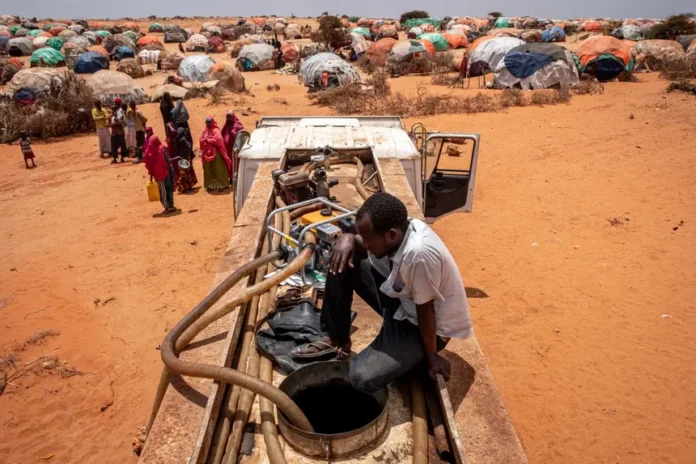
Somaliland authorities also voiced deep concern over deteriorating conditions in internally displaced persons (IDP) camps, where water scarcity, limited food supplies, reduced healthcare services, and shrinking livelihood opportunities are compounding the suffering. The cumulative impact, they warned, risks triggering further displacement and worsening vulnerabilities among already fragile populations.
Among the hardest-hit areas is the Saraar region, where residents are facing extreme water shortages and mounting pressure on remaining resources. Local communities report that wells have dried up, livestock deaths are rising, and families are increasingly reliant on emergency assistance.
The government urged the public, civil society organizations, and international partners to contribute to the national relief effort as drought conditions show no sign of easing. Authorities stressed that without sustained intervention, the humanitarian consequences could escalate rapidly.
The Minister of Resettlement and Humanitarian Affairs of Somaliland, Saleebaan Duaale Haji Jaama, has raised alarm over a sharp decline in international humanitarian assistance, warning that vulnerable displaced communities are now facing an increasingly dire situation. According to the minister, aid that was previously provided by international organizations including cash transfers, food supplies, and clean water has largely come to a halt in recent months, leaving thousands of internally displaced persons (IDPs) exposed to worsening hardship.
Minister Saleebaan noted that the prolonged and recurring droughts that have struck Somaliland in recent years have devastated livelihoods, destroyed pastoral assets, and pushed displaced families to the brink. He emphasized that without urgent intervention, conditions inside IDP camps could deteriorate even further, with limited access to food, water, healthcare, and basic services.
”The displaced communities across the country are facing an extremely difficult reality,” the minister said. “We call upon the Government of Somaliland, local humanitarian actors, and all domestic stakeholders to swiftly provide emergency support to ease the heavy burden on the tens of thousands of families living in displacement camps nationwide.”
Humanitarian officials and local observers continue to warn that the drought’s impact is deepening, with declining external funding exacerbating the crisis. Many IDP settlements are now reporting critical water shortages, rising malnutrition risks, and limited access to essential services.
As Somaliland grapples with one of its most challenging humanitarian moments in recent years, authorities are appealing for coordinated national solidarity to protect vulnerable populations and prevent further deterioration of living conditions.
ICE launches operations targeting somali immigrants in St. Paul,Minneapolis–St. Paul
CBS News has confirmed that the U.S. Immigration and Customs Enforcement (ICE) agency has initiated operations targeting Somali immigrants living in the Minneapolis–St. Paul area.
The enforcement actions come days after U.S. President Donald Trump publicly stated that he does not “want Somalis in the country,” while previously claiming that Somali refugees have “taken over Minnesota.” U.S. officials have reported that ICE has received additional personnel and resources to apprehend individuals with final removal orders, with hundreds of Somali residents expected to be affected.
Homeland Security Secretary Kristi Noem claimed that “half” of Minnesota’s visa holders are “fraudulent,” though no evidence has been provided to support this statement. CBS News reports that requests for further information from the Department of Homeland Security have not yet received a response.
The operations have sparked fear and concern within the Somali community, with reports of prior arrests and community organizations mobilizing to provide legal aid and social support to those impacted.
Deputy Prime Minister engages civil society leaders on governance and peacebuilding
Deputy Prime Minister of the Federal Government of Somalia, Salah Ahmed Jama, today hosted leaders of civil society organizations at his office, where they held extensive discussions on the critical role civil society plays in state-building, peacebuilding and strengthening good governance across the country.
During the meeting, the Deputy Prime Minister emphasized the government’s commitment to listening to the voices and recommendations of civil society, noting that their participation is essential in advancing political processes, promoting transparency and accelerating national development. He highlighted that effective governance is only possible when citizens and civic actors are meaningfully included in shaping decisions that affect their communities.
Salah Ahmed Jama thanked the civil society leaders for their continued dedication and constructive engagement, acknowledging their significant contributions to public awareness, peace advocacy and community mobilization. He encouraged them to further strengthen their role in educating the public on key national issues, fostering dialogue and supporting Somalia’s broader reform agenda.
The civil society representatives, in turn, reaffirmed their readiness to collaborate closely with government institutions to advance peace, stability and responsive governance. The meeting concluded with mutual commitment to enhancing cooperation and ensuring that civil society remains an active partner in Somalia’s democratic and developmental journey.
Somalia’s Public Works Minister Meets EU ambassador to strengthen cooperation on reconstruction and housing
The Minister of Public Works, Reconstruction & Housing of the Federal Government of Somalia, Hon. Dr. lmi Maxamuud Nuur, today held an important meeting with the European Union Ambassador to Somalia, H.E. Franscisca Di Mauro. The discussions centered on strengthening cooperation in the areas of reconstruction, housing development, and national stabilization.
During the meeting, Minister Cilmi highlighted the government’s ongoing efforts to rebuild vital infrastructure, restore public buildings, and advance planned urban development in major cities across the country. He emphasized the need for sustained partnerships to support durable reconstruction and effective land management systems.
Ambassador Di Mauro reaffirmed the EU’s commitment to supporting Somalia’s recovery, particularly in the areas of public infrastructure, housing investment, and urban resilience. She noted that the EU views Somalia’s reconstruction sector as essential to long-term stability and economic progress.
Both sides exchanged views on enhancing institutional capacity within the Ministry of Public Works, improving land governance frameworks, and promoting responsible urban expansion. They also discussed opportunities for future EU investment in housing projects aimed at improving living standards for vulnerable communities.
The meeting concluded with mutual agreement to deepen cooperation and coordinate closely on upcoming reconstruction and stabilization initiatives, ensuring they contribute to Somalia’s broader development agenda.
SoDMA briefs international donors as Somalia’s drought reaches critical levels
The Commissioner of the National Disaster Management Authority (SoDMA), Mohamud Maalin Abdulle, held a critical virtual meeting today with international donors from the European Union, the United States, and the United Nations to discuss the worsening drought conditions across Somalia.
The discussion, held via Zoom, focused on the deteriorating humanitarian situation as the country faces one of the most severe drought episodes in recent years. The SoDMA Director provided a detailed briefing on the regions most affected, noting that several areas have already reached emergency levels due to acute shortages of water, food, and pasture.
He emphasized that the drought has displaced thousands of families, disrupted livelihoods, and pushed vulnerable communities to the brink, particularly in rural areas where residents heavily depend on livestock and rain-fed resources.
Donor representatives expressed deep concern over the escalating crisis and reaffirmed their commitment to strengthening assistance and coordination with the Somali government. They pledged to scale up humanitarian support and explore additional funding avenues to help mitigate the impact of the drought on affected communities.
The meeting underscored the urgency of mobilizing rapid, collective action to prevent further deterioration and ensure lifesaving aid reaches the hardest-hit
The Council of Ministers of the Federal Government of Somalia, in its weekly meeting held today, approved several major laws and international agreements aimed at strengthening governance, justice, and environmental management in the country.
The meeting, chaired by Prime Minister Hamza Abdi Barre, endorsed the revised Somali Penal Code after an extensive consultation process involving religious scholars, civil society, and legal experts. The updated law has been aligned with Islamic principles, the national Constitution, and international human rights standards.
The Cabinet also held an in-depth discussion on the draft law establishing the National Environment Management Authority, a landmark step that will give Somalia its first dedicated institution for environmental regulation at a time when climate change impacts and widespread environmental degradation are intensifying across the country.
Among the laws and agreements approved today were:
1. A Memorandum of Understanding between Somalia and Algeria on cooperation in petroleum, gas, and mineral development.
2.The Draft Bill for the Establishment of the National Environment Management Authority.
3. The Draft Bill of the Somali Penal Code.
4. The International Convention on Maritime Search and Rescue (1979).
5. The Geneva Conventions of 12 August 1949 and their Additional Protocols.
During the session, the Cabinet received updates on recent progress in national security operations and electoral preparations.
Prime Minister Hamsa concluded the meeting by directing ministers to actively support ongoing reconciliation and peacebuilding efforts in areas affected by clan conflicts. He emphasized that the Ministry of Interior has been specifically tasked with leading mediation initiatives to help stabilize communities and foster long-lasting peace.