
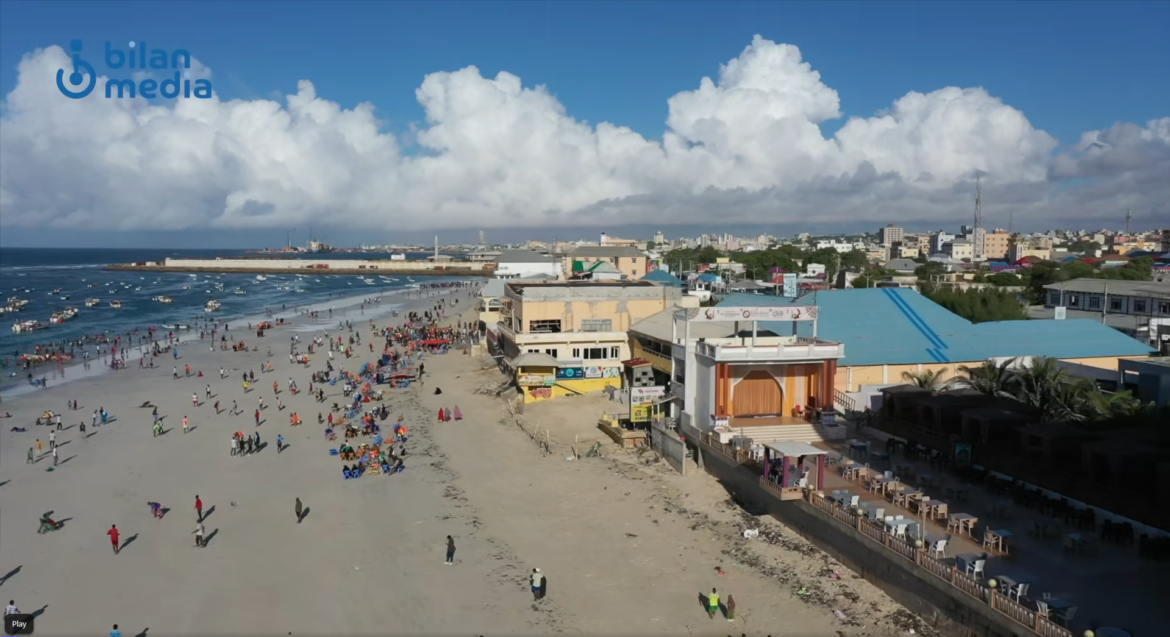

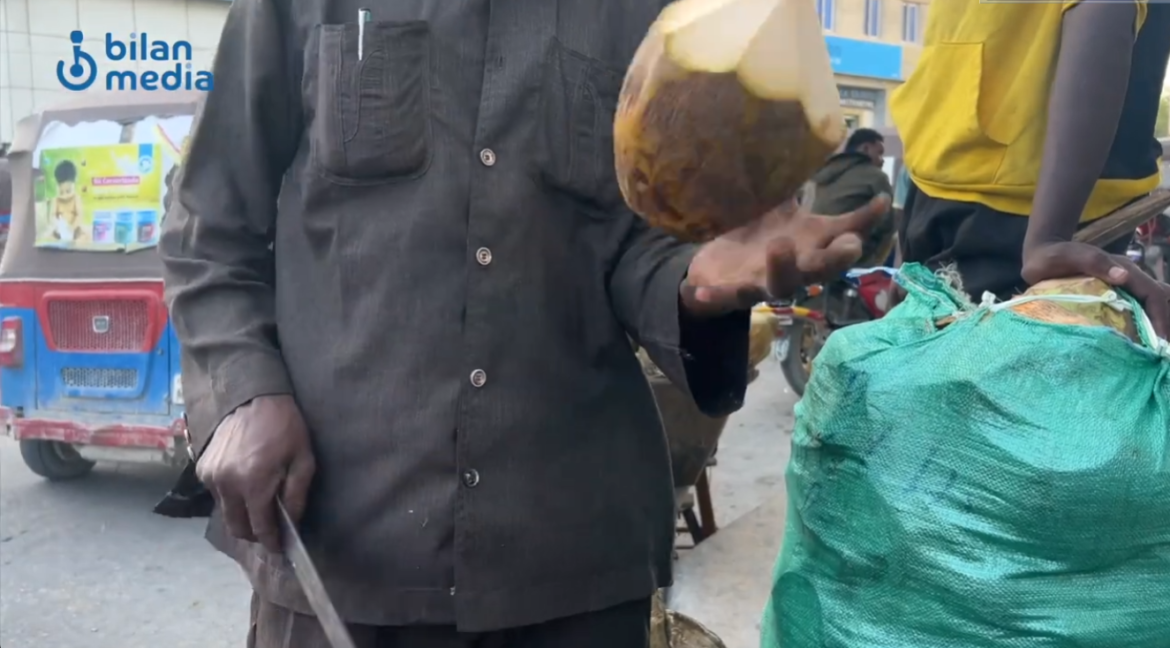
Ganacsiga geedka qumbaha oo loo adeegsado daawo ahaan ayaa noqday shaqo-abuur dhalinyaro badan ku taageeraan qoysaskooda.
The coconut tree business, especially its use in traditional medicine, has become a valuable source of income for many young people, helping them support their families and build better lives.
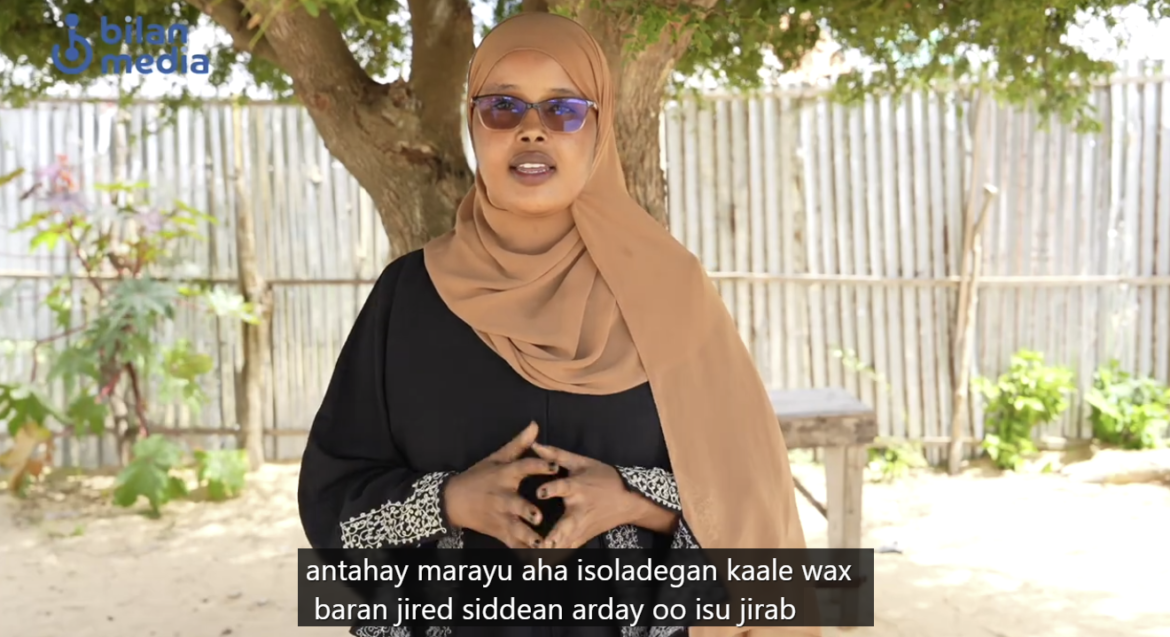
Muddo 6 sano ah, Deeqa Macalin Hadaafow ayaa si bilaash ah wax ugu baraysay carruurta deegaanka Cali Yaale. Iyagoo fasallo ku qaadan jiray geed hoostiisa, waxay la kulmeen caqabado
For 6 years ,Deeqa Macalin hadaafow has been teaching children in Cali Yaale for free.with no classrooms ,lesson took place under a tree despite many challenges .
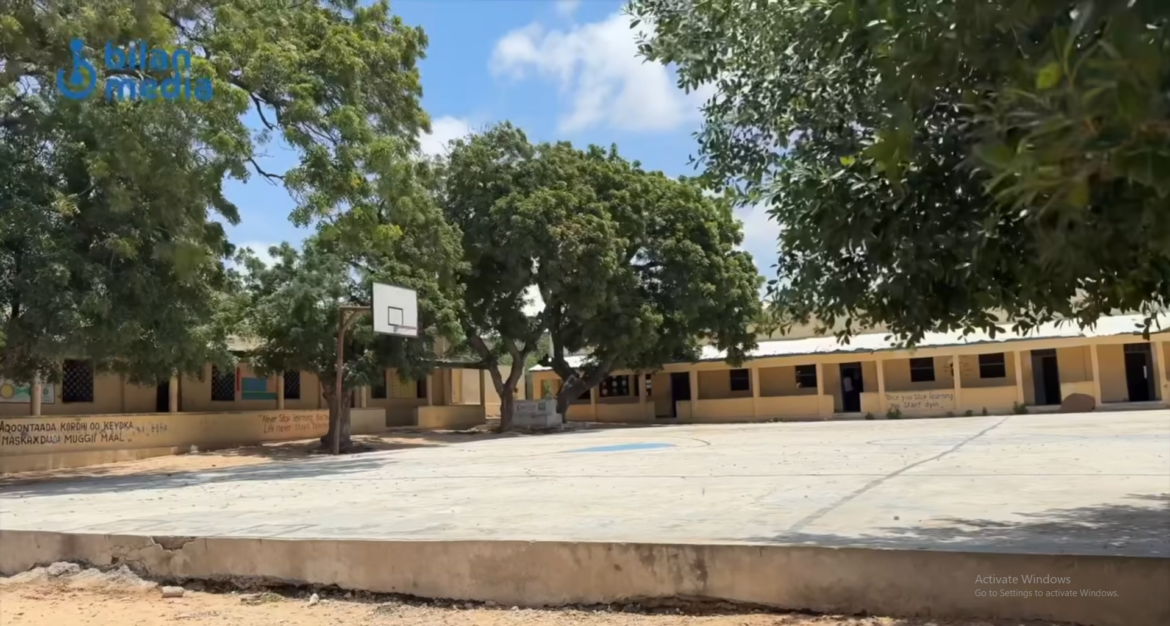
Kubadda Miiska Soomaaliya oo Taariikh Dib Usoo Noqotay maxay ka dhigan tahay soo nooleynta ciyaartan oo bulshada Soomaaliyeed hore ugu soo hoyn jirtay guulo?
Wariye Maryan Ladane
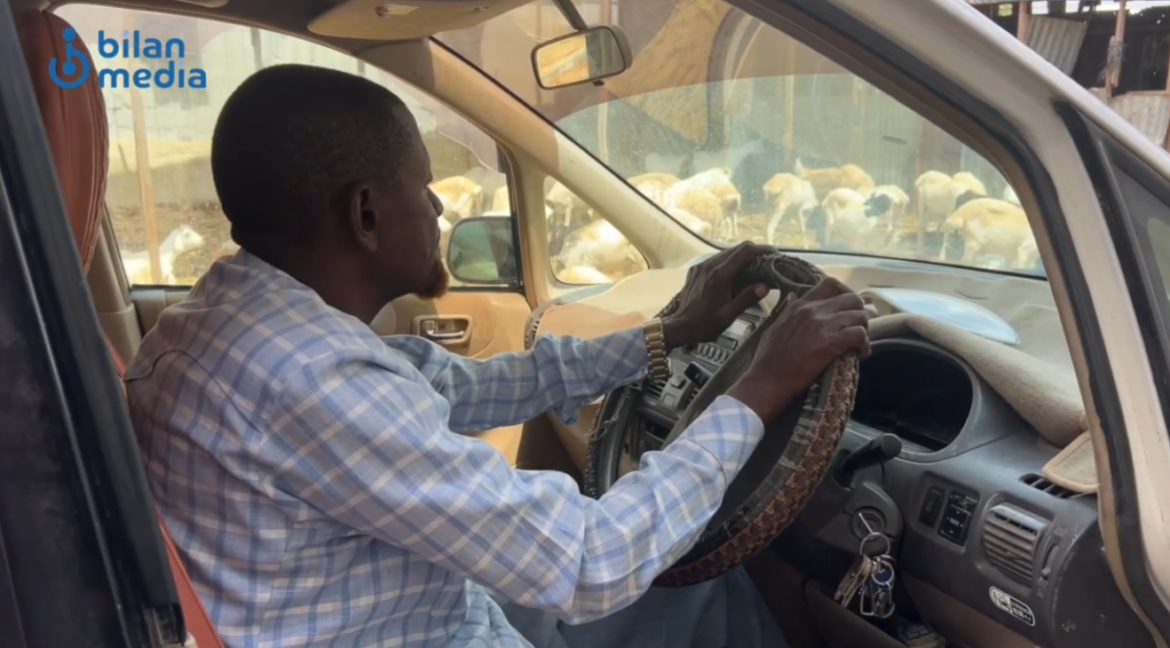
Qoysas barakacayaal ah ee ku nool kaamka Da’ iyo Danyar ayaa hal doolar qofkiiba iskugu biiray si ay u iibsadaan gaari ambalaas. wuxuuna caawiyay hooyooyin fool ah, carruur iyo dadka xanuunsan. Hase yeeshee maanta wuu halesanyahay .
Displaced families in Da’ iyo Danyar camp gave $1 each to buy an ambulance. It helped mothers giving birth, children, and sick people. But now it is not working .
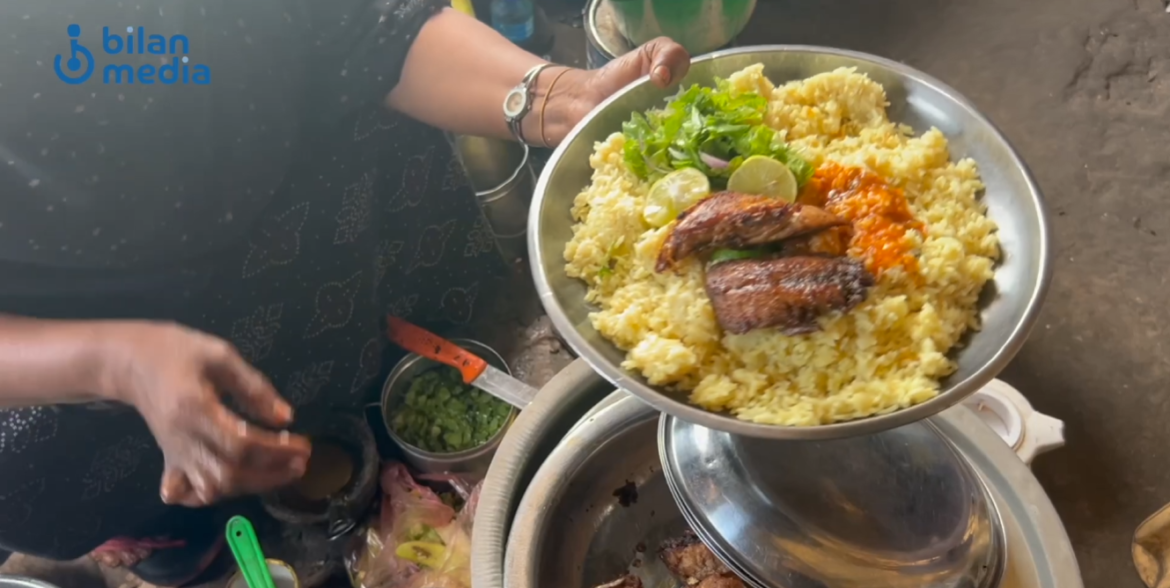
Soomaalidu waxay muddo dheer hilibka geela, ariga, iyo lo’da ka dhigtay cuntooyinka ugu muhiimsan. Laakiin kalluunka, oo badda laga helo, ayaa weli ahaa cunto aan si weyn loo aqbalin, xitaa waxaa laga yaabaa in dad badan ay ka faani jirin cunistiisa.
For a long time, Somalis have made camel, sheep, and cattle meat the main part of their diet. But fish, caught from the sea, has often been less acceptedand many people didn’t take pride in eating it.
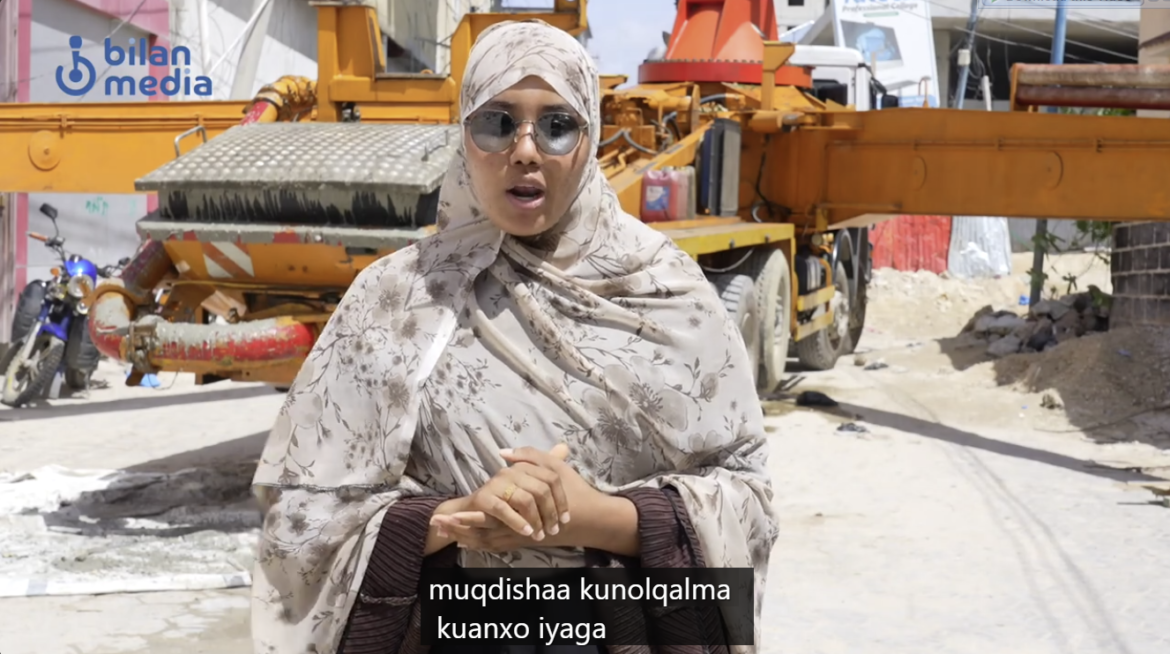
Mashiinnada casriga ah ayaa si weyn u beddelay warshadaha dhismaha, iyaga oo kordhiyey xawaaraha, saxnaanta, iyo waxtarka shaqada. Hawlo badan oo hore loogu qaban jiray si gacanta ah oo dadaal badan u baahnaa ayaa hadda lagu qabtaa si fudud oo degdeg ah, taas oo keentay in shaqaalaha dhismaha laga qaado culays badan oo jireed. Tani waxay yaraysay halista dhaawacyada shaqada iyo daalka joogtada ah. Si kastaba ha ahaatee, horumarka mashiinnadu wuxuu sidoo kale keenay hoos u dhac ku yimid fursadaha shaqo ee dadka muruqmaalka ah, sababtoo ah qalab badan ayaa badalay shaqooyin gacanta lagu qaban jiray.
Modern machines have significantly transformed the construction industry by increasing efficiency, speed, and precision. Tasks that once required intense manual labor can now be completed quickly and safely using advanced equipment. For construction workers, this has brought both positive and negative changes. On the positive side, machines have reduced the physical strain and risk of injury, making the work environment safer. However, the increased use of automation has also led to fewer job opportunities for unskilled laborers, as many tasks no longer require as much human effort.
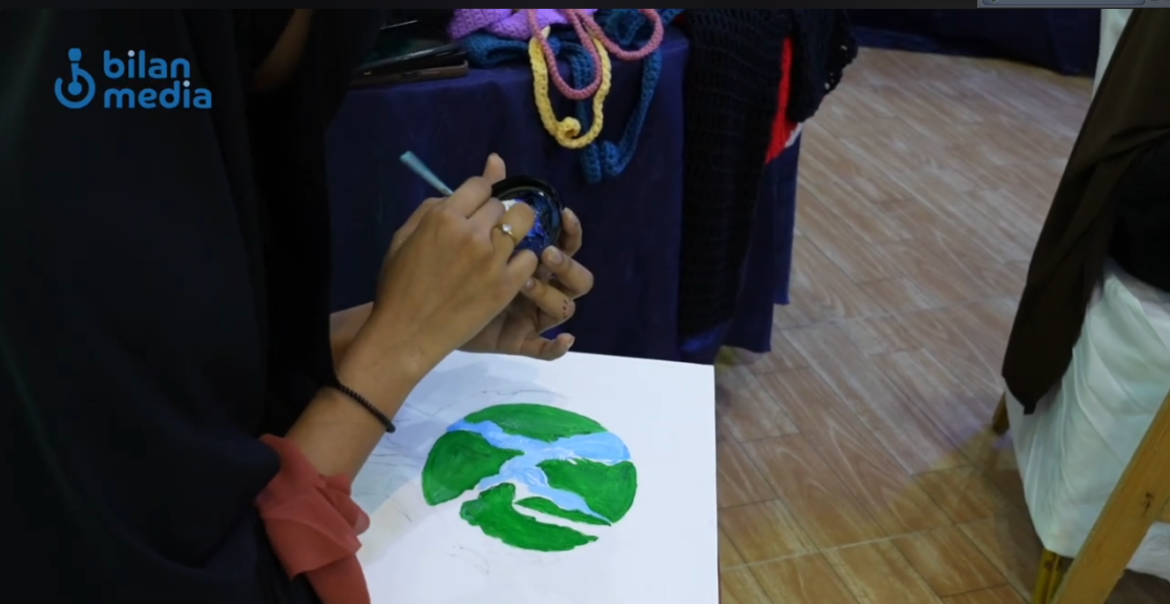
“Haweenka Soomaaliyeed oo go’aansaday inay noqdaan hormuudka iyo laf-dhabarta xalalka waara ee deegaanka—kana shaqeynaya ilaalinta kheyraadka dabiiciga ah, la dagaalanka isbeddelka cimilada, iyo dhismaha bulshooyin adkaysi u leh jiilasha soo socda.
women who are determined to become key drivers and the backbone of sustainable environmental solutions—leading efforts to protect natural resources, combat climate change, and build resilient communities for future generations.
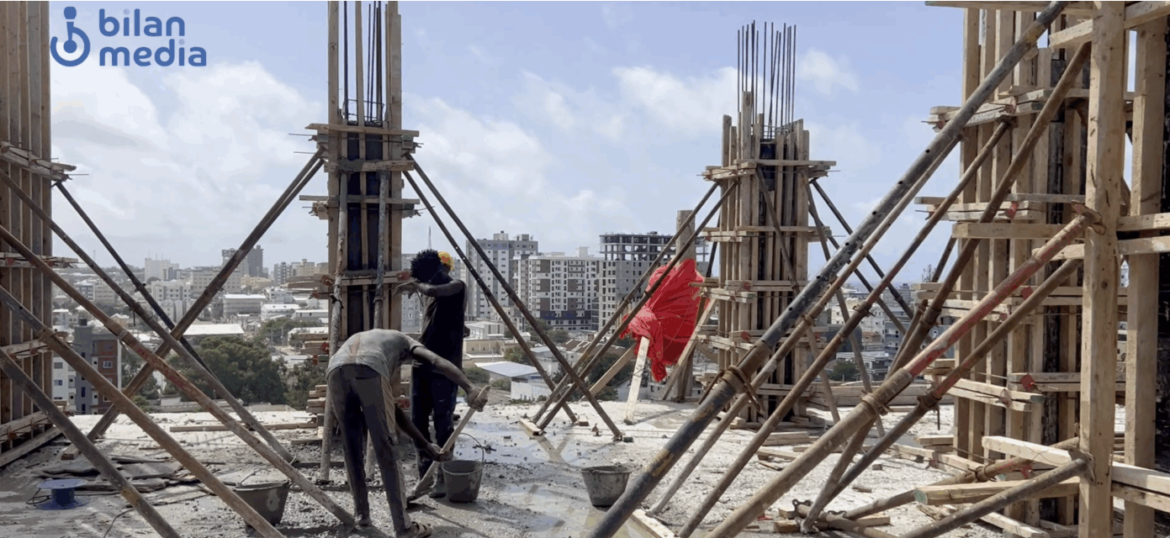
In Mogadishu, hundreds of manual labourers once depended on their physical strength, mixing cement and carrying stones by hand at construction sites. But the arrival of modern construction vehicles has abruptly wiped out much of their work.
Mohamed Hassan, a father of 11, explained why he is now unemployed:
“My job as a mason and stone worker no longer exists. Unemployment hit us because modern construction vehicles now do the work we used to do with our hands. We used to build using our own strength, but now the machines handle it. My wife and I stay at home with no income, and my children also need work.”
Hassan Ibrahim, who now works with modern construction equipment, described the difference in workforce numbers then and now:
“Currently, only about 10 people operate these construction machines, and the manual construction section employs just 7 people. In the past, the manual workforce numbered between 20 and 30. There’s a huge difference between then and now.”
Ismail Mohamed, manager of Kaafiye Construction, pointed out the changes and progress achieved:
“Previously, people built high-rise buildings manually, using buckets to carry concrete. This caused many challenges. But now, with these vehicles and cranes, the work is much easier, eliminating the difficulties of climbing floors while carrying concrete. It has greatly reduced the strain and risks for workers.”
Mixed Impact: Losses and Benefits
The introduction of modern construction vehicles has had a profound impact on Mogadishu’s labourers. On the downside, hundreds of manual workers have lost their jobs, affecting the daily survival of their families. Job opportunities for those with traditional construction skills have sharply declined, forcing many to seek new skills and alternative employment.
On the positive side, these machines have increased productivity and made construction faster and more efficient. They have also significantly reduced the risk of injuries and the physical hardship workers face. The city has witnessed rapid progress in building high-rise structures and large-scale projects, visibly transforming Mogadishu’s skyline.