
“In Dhusamareb and Guriceel, 73 girls have received free university education provided by the Ministry of Education of Somalia. In total, this opportunity is intended for 300 girls across the regions of the country.” Dhusamareb iyo Guriceel, 73 gabdhood ayaa helay waxbarasho jaamacadeed oo bilaash ah oo ay bixisay Wasaaradda Waxbarashada Soomaaliya. Guud ahaan, fursaddan waxaa loogu talagalay 300 gabdhood oo gobollada dalka ku kala sugan.#GirlsEducation#WomenEmpowerment

Lacagta Shilling-ka Soomaaliga ayaa dib loogu soo celiyey suuqyada ka dib maalmo la hakiyeey isticmaalkiisa. The Somali Shilling has been reintroduced to the markets after its use was suspended for several days.#ShilinSoomaali or #DibLoosooCeliyay
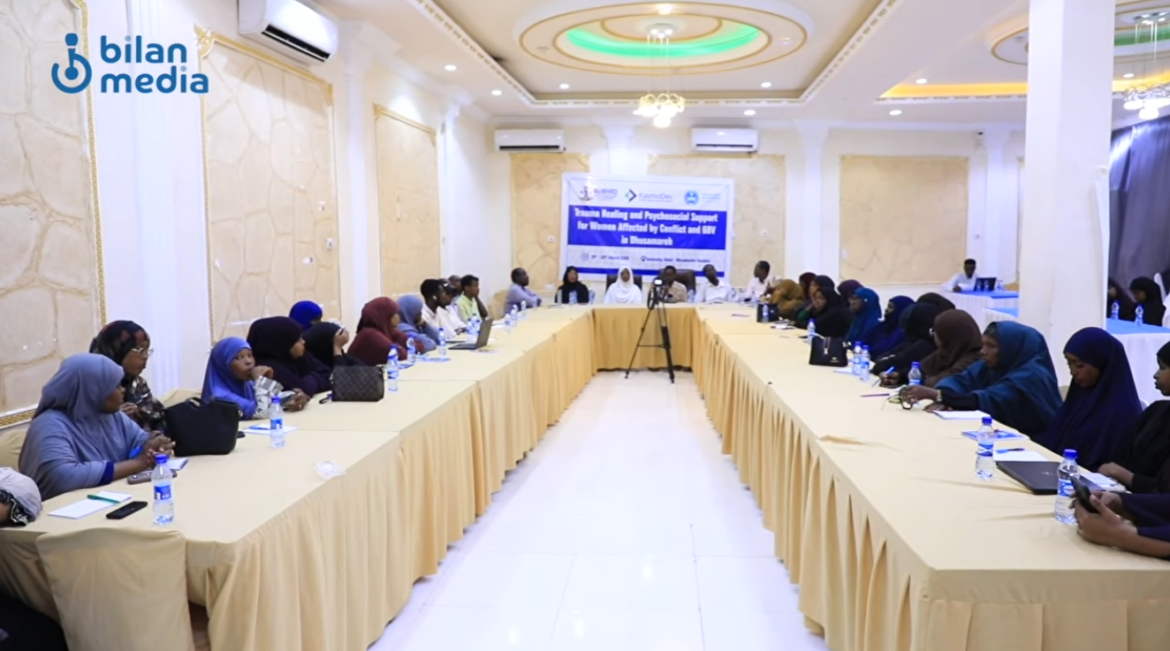
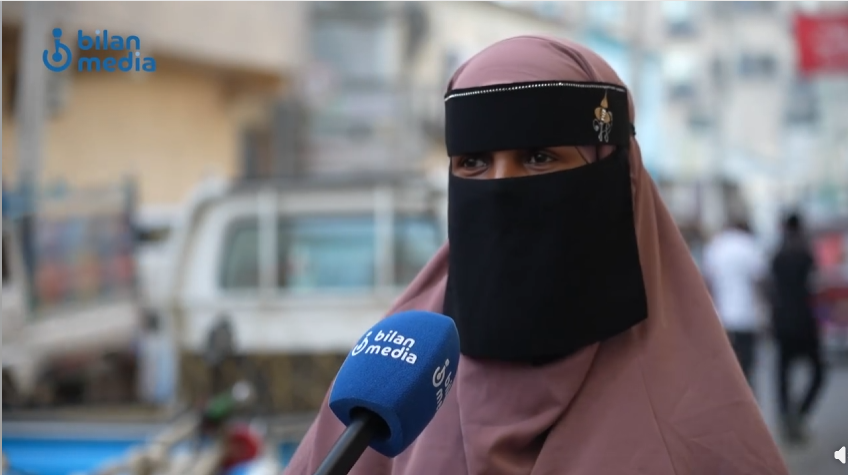
Wasaaradda Haweenka Galmudug ayaa bilowday wacyigelin ku saabsan joojinta gudniinka fircooniga ah, si loo dhaqan geliyo sharciga gudniinka ka dhanka ah ee la ansixiyay. The Ministry of Women of Galmudug has launched an awareness campaign on stopping pharaonic circumcision (Female Genital Mutilation – FGM), to implement the anti-FGM law that was approved.
Apr 15, 2026
Somali women who aspire to enter politics or run in elections face a range of obstacles rooted in cultural norms, financial limitations, and limited understanding of electoral systems. Many encounter social pressure, lack of financial backing, and long-standing systems that historically denied them equal opportunities to compete with men.
However, the introduction of the “one-person, one-vote” system has opened a new pathway, allowing women to compete directly for political positions though the journey remains far from easy.
Galdogob district in the Mudug region is among the areas where this system has been implemented. There, women seeking seats in the local council have encountered visible challenges. Although many women ran in the May 25, 2023 local elections, only a small number succeeded in securing seats.
Some of the women elected under this system say that key barriers included a limited understanding of the electoral process and strong competition from male candidates.
Councillor Beelo Warsame noted that the previous system significantly restricted women’s opportunities.
“In the past, when traditional elders selected representatives, women had very limited chances. Each elder would simply appoint a man he preferred. But today, thanks to God, we have the one-person, one-vote system, where individuals rise based on their own merit,” she said.
Despite this progress, she highlighted a new challenge understanding the electoral system itself.
“The biggest obstacle was that many women did not fully understand the A and B voting system. Men understood it better, and that gave them an advantage in gaining more votes.”
Meanwhile, Councillor Ubax Hassan said that although many women contested the elections, the outcome fell short of expectations.
“Many women ran. We expected that at least 17 out of the 27 council seats would go to women, but that did not happen. Men are more strategic—they outmaneuvered us at the grassroots level,” she explained.
Although only five of the 27 council seats were won by women, this still reflects gradual progress and growing hope. These women say they are determined to work hard for the communities they represent.
“Five women were elected to the council this year. We have a lot of work to do, and as you can see, we are committed to serving our community,” said Ubax Hassan.
At the same time, residents of Galdogob have shown increasing support for women’s participation in politics, describing it as essential for social development.
“I strongly support women’s participation in politics. Today’s society is more aware, and women are equal to men. They understand responsibility and its weight, so we say: take your role,” one local resident told Bilan Media.
The Evolution of Elections in Puntland
Elections in Puntland have undergone several phases. For many years, the system was indirect, with traditional elders selecting members of local councils and parliament. This model significantly limited direct public participation, particularly for women and youth.
In an effort to reform the system, Puntland introduced the one-person, one-vote model, beginning with pilot elections on October 25, 2021, in the districts of Qardho, Eyl, and Ufayn. This pilot phase was crucial in testing how the system would function and identifying existing challenges.
Following this, on May 25, 2023, Puntland officially implemented one-person, one-vote local council elections across the region. This marked a major step toward democratization, allowing citizens to directly elect their representatives.
While this transition has created new opportunities, it has also revealed new challenges particularly in terms of understanding the system, political competition, and candidates’ capacity to navigate the electoral process.
Women’s participation in local politics continues to face significant barriers. However, the one-person, one-vote system offers a new opportunity for women to demonstrate their capabilities and achieve broader representation than ever before.
The ongoing transformation in Puntland shows that, although the path is challenging, there is genuine hope for a more inclusive political future.
Written by Maryan Ladane
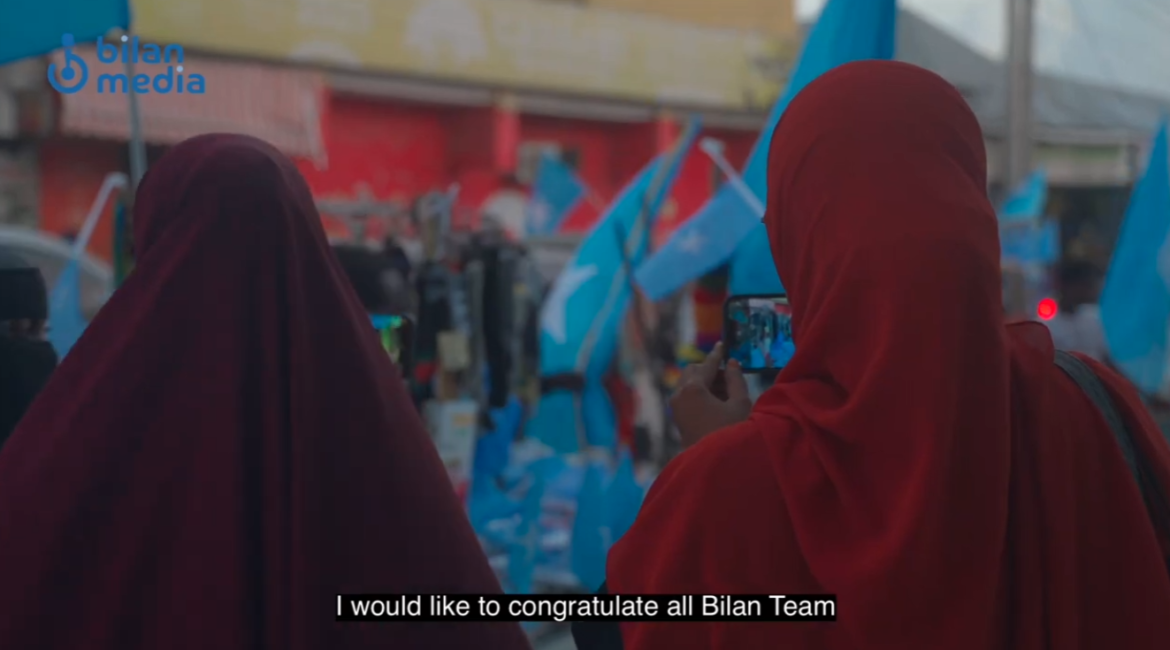
Si Bilan ay u gaarto gobollada dalka, waxaa sanadkii tagay la tababaray illaa toban gabdhood oo saxafiyiin ah oo ka kala socda maamul-goboleedyada, iyada oo la siiyay fursad ay ku sameyn karaan sheekooyin. To help Bilan reach regions across the country, up to ten female journalists from different federal member states were trained last year and allowed to produce stories.
Apr 12, 2026
Apr 12, 2026
Apr 11, 2026
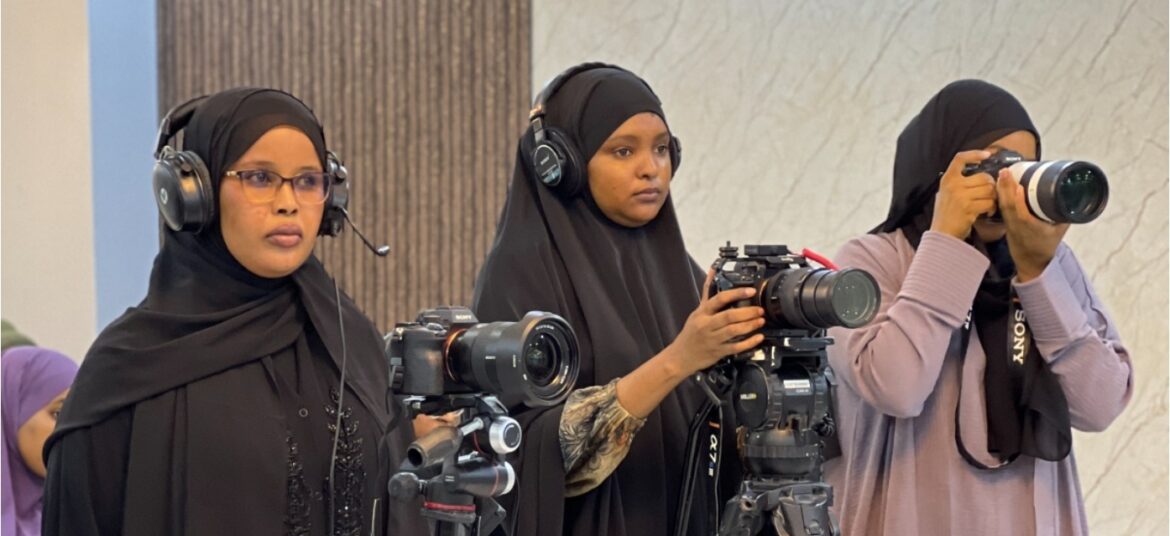
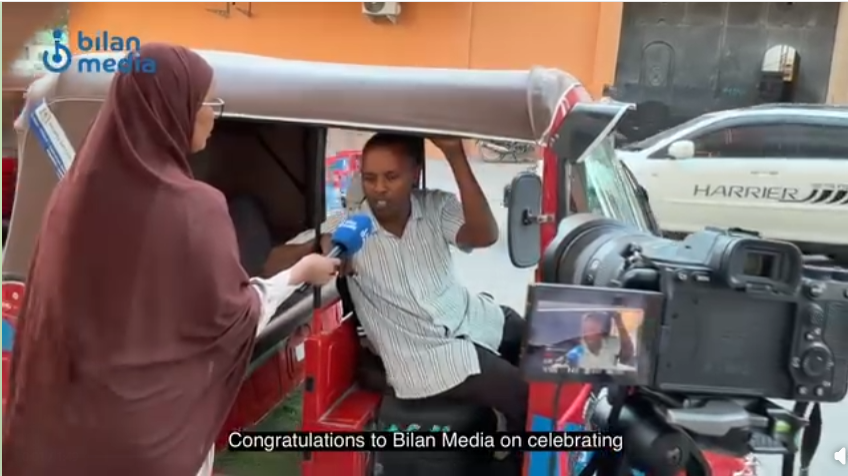
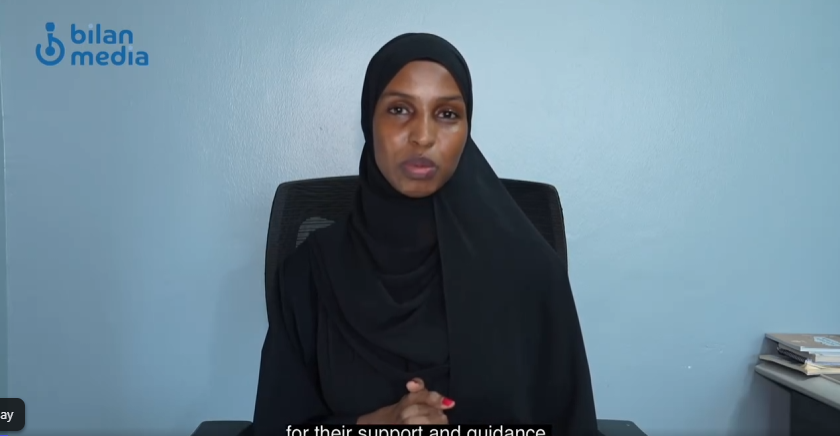
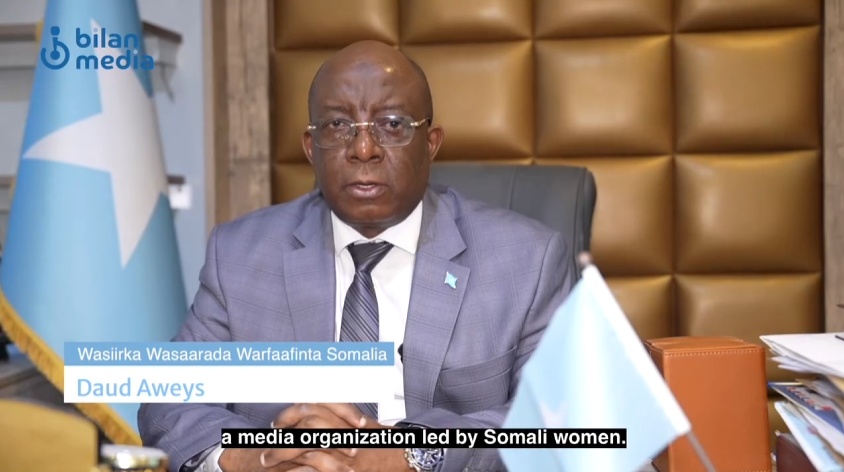
Over the past four years, Bilan Media has evolved into far more than a media outlet. It has become a symbol of courage, resilience, and transformation, one that has positioned Somali women not as subjects of stories, but as the authors of them.
Bilan Media was officially established on 11 April 2022, with the mission of creating a dedicated media platform that gives Somali women a voice, visibility, and meaningful influence in public discourse.
The fourth anniversary of its founding was commemorated at a special event, reflecting on the organization’s growth, impact, and achievements.
Bilan Media was founded by the United Nations Development Programme (UNDP) Somalia, with ongoing support and funding from the European Union (EU), enabling the initiative to grow and expand its reach to both national and international audiences.
UNDP Remarks – The Deputy Resident Representative for UNDP, Dr. Christopher Laker
At the fourth anniversary of Bilan Media, Dr. Christopher Laker delivered remarks addressing Bilan Media.
He described Bilan Media as a group of young female journalists who have courageously entered a profession traditionally dominated by men, bringing with them new perspectives from women across Somalia.
He emphasized that Bilan Media has become one of UNDP Somalia’s most important media initiatives, gaining both national recognition and international appreciation.
He also specifically highlighted the impact of Bilan Media, noting that it has produced more than 400 stories during its years of operation and has reached millions of people through powerful, impactful, and meaningful storytelling.
He also acknowledged the contributions of development partners, particularly the European Union, as well as UNDP colleagues and media partners who have supported the initiative’s implementation and growth.
He concluded by stating:
“This is a testament to UNDP’s commitment to women’s empowerment and civic participation. We are proud to celebrate four years of Bilan Media’s impactful journey.”
Bilan Media’s Growth and Impact
During its four years of operation, Bilan Media has produced more than 400 stories, reaching millions of audiences both within Somalia and internationally. It has also supported and trained young female journalists from different regions of the country, providing professional development opportunities and capacity-building initiatives.
However, female journalists in Somalia continue to face significant challenges, including discrimination, limited opportunities, societal pressure, and threats related to safety and digital harassment.
Despite these obstacles, Bilan Media has remained committed and resilient.
Bilan Media’s reporting has highlighted a range of critical issues across Somalia, including the disappearing livelihoods in Dhinowda as a result of advancing desertification, the exclusion of women from ownership of natural resources in Sanaag, the inspiring story of 103 displaced families who united to secure land ownership, and the growing impact of climate change on women in Kismayo.
Voices of Support
Sahra Mohamed Ahmed, Chairperson of the Somali Women Development Centre (SWDC), stated:
“Bilan Media is a trusted platform that is truly committed to supporting and empowering women. I sincerely congratulate Bilan Media on its 4th anniversary and wish it continued growth and success. I am also very pleased with the collaboration we have had in the past and look forward to continuing this partnership in the future. In particular, Bilan Media strongly supported me during my participation in the African Women Leadership Program, which reflects its deep commitment to advancing and empowering women. ”
Cismaan Muxudiin, Chairperson of the Somali Civil Society Organizations Federation (SONSA – Somali Non-State Actors)
“On behalf of our association and its members, I warmly congratulate Bilan Media on its fourth anniversary. Led by women journalists, camerawomen, and editors, Bilan Media deserves great recognition for its dedication and impact. Its work has contributed meaningfully to Somalia’s media sector and public discourse. I have attended discussions organized by Bilan Media that reflected the country’s real challenges. Experience shows that when women are given leadership, success follows. Bilan Media stands as a strong example of what women can achieve through teamwork and commitment.”
Editorial Leadership
Bilan Media is led by Farhio Mohamed Hussein, Editor-in-Chief. She stated:
“Bilan Media believes that journalism is not only about reporting news, but also about driving change. We continuously work to ensure that Somali women’s voices are not only heard but are meaningfully recognized and reflected in decision-making processes. Being a female journalist in Somalia requires constant courage. Journalists carry not only cameras and notebooks but also face pressure, threats, and serious security risks. However, these challenges do not discourage us; instead, they strengthen the determination of women journalists to tell the truth, defend silenced voices, and contribute to social change.”
Internship Journey at Bilan Media
Hamdi Ahmed, one of the participants in Bilan Media’s internship program, said the opportunity she received from Bilan has played a significant role in developing her media skills.
A graduate of Somali National University with a background in journalism, Hamdi has now completed 3 months of the 6-month internship, with 3 months remaining.
“Bilan Media has allowed me to grow my media skills. During my time in the program, I have learned camera work and video editing, which have greatly strengthened my abilities,” she said.
Bilan Media stands as a powerful example of what becomes possible when women are given the space to lead.
The past four years are not an ending, they are a beginning.
Bilan Media has proven that Somali women do not need to be given a voice; their voices already exist. What they needed was a platform to be seen and heard.
Bilan Media has become that platform.
Written by Farhio Mohamed Hussein, Editor-in-Chief of Bilan Media.