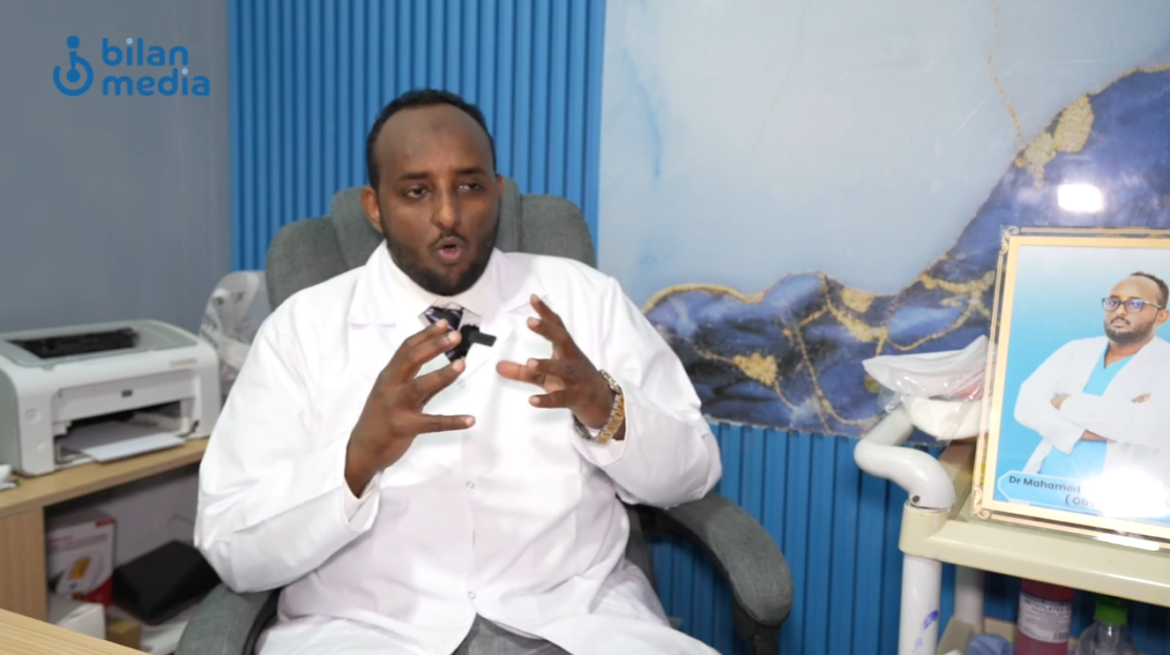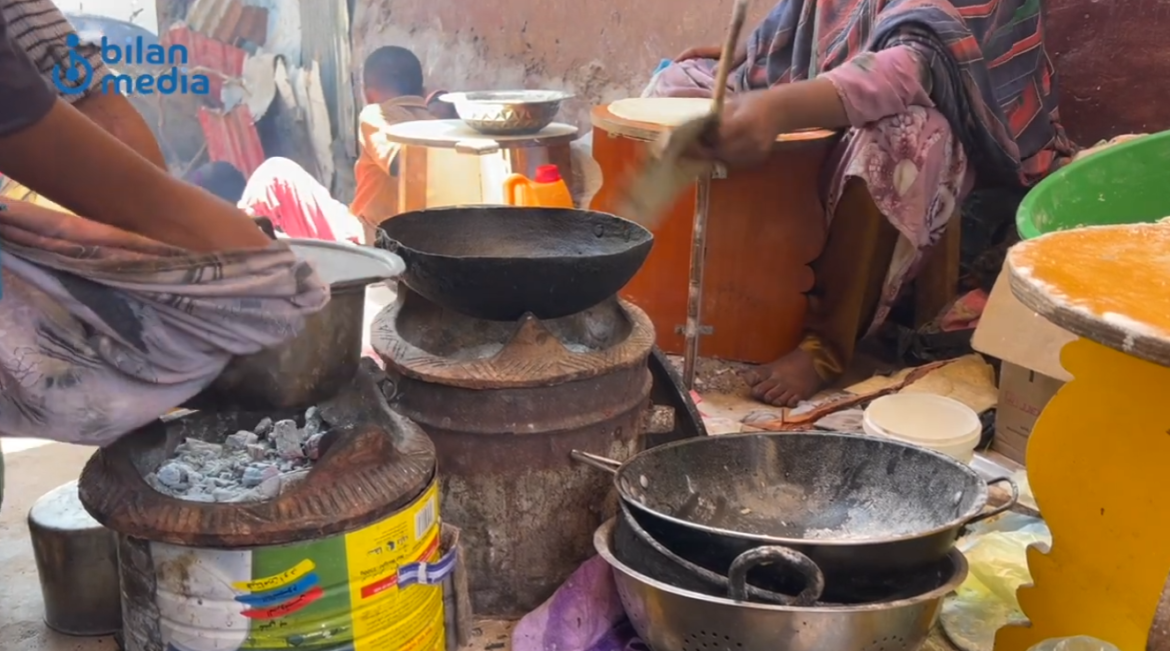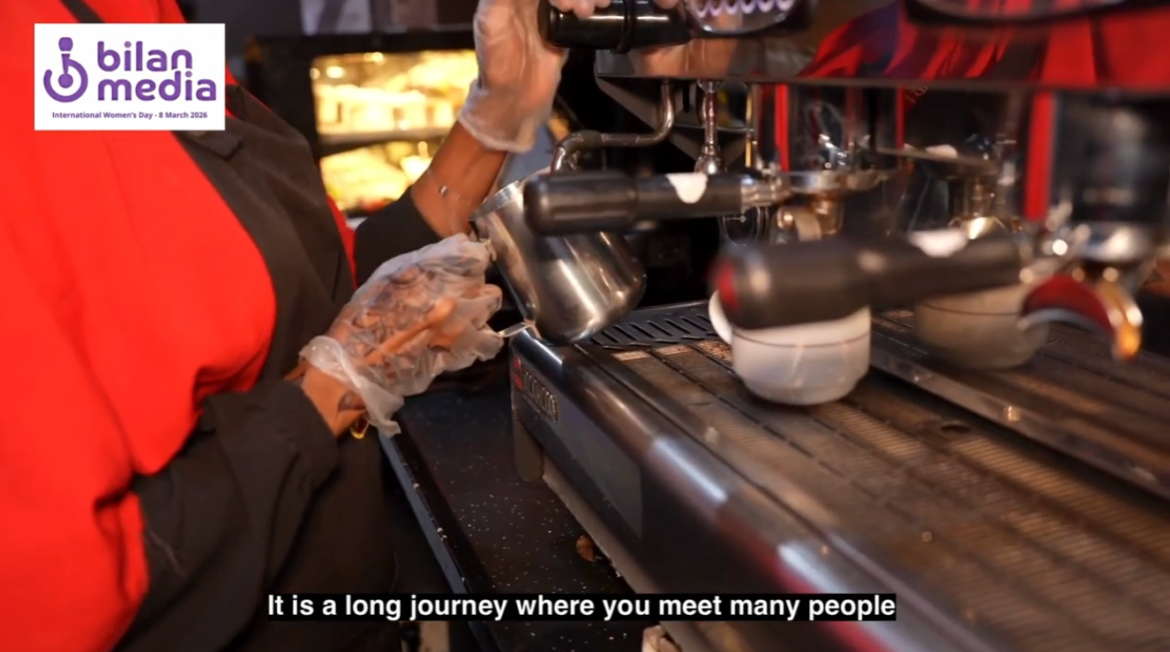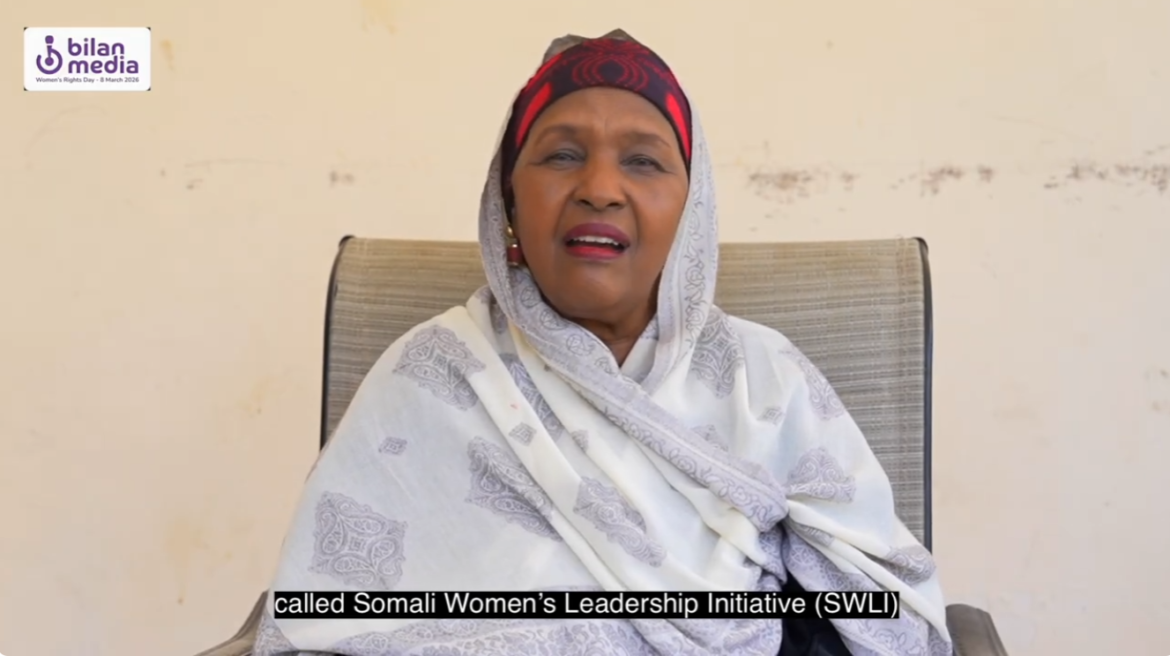
Goob lagu kobciyo xirfadaha haweenka Soomaaliyeed iyo barashada Buraan burka si ay haweenku uga faa’iidaystaan suuqa shaqada oo Muqdisho laga hirgeliyay. A center has been established in Mogadishu to enhance the skills of Somali women, including training in Buraanbur, with the aim of improving their access to employment opportunities.#WomenEmpowerment #SomaliWomen #SkillsDevelopment #CulturalHeritage
BILAN MEDIA
Preventing Digital Violence |Ka hortagga tacaddiyada dijitaalka haweenka iyo gabdhaha
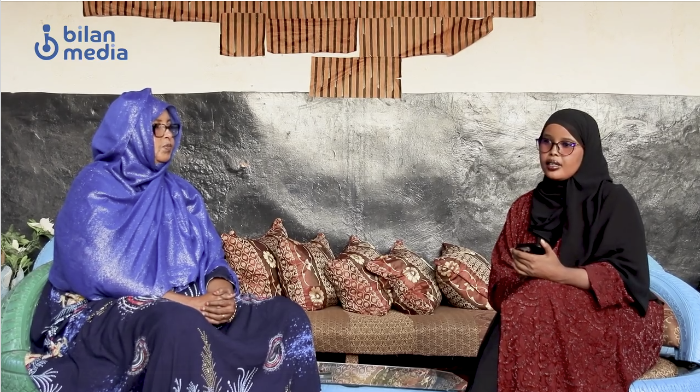
The issue of digital violence against women and girls is strongly increasing. Experts in law, public health and the media, aims to raise awareness of how to identify and address the risks and dangers posed by the internet. / Kusoo dhowaada dood ku saabsan ka hortagga tacaddiyada dijitaalka ah ee haweenka iyo gabdhaha. Dooddan oo aan ku martiqaadnay khubaro ku takhasusay sharci, caafimaadka maskaxda, iyo warbaahinta, waxay diiradda saaraysaa sida loo aqoonsado loona joojiyo hanjabaadaha iyo xadgudubyada ka dhaca internet-ka.
WAA SIDEE XAALADA DADKA KUNOOL GOBOLKA JUBADDA HOOSE EE KU AADAN HELIDA BIYO NADIIFA AH AY CABAAN?
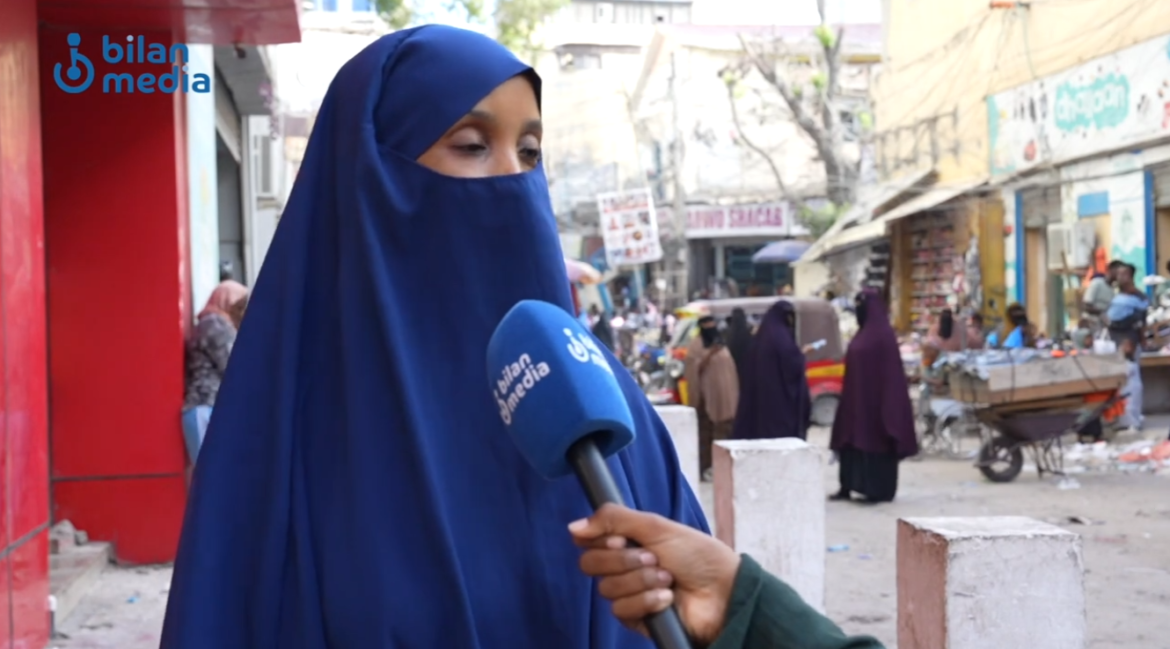
Mashaariicda socda ma horseedi karaan in dadka ku nool gobolka Jubadda Hoose ay helaan biya nadiif ah oo ay cabaan? Cumar Ismaaciil, isu-duwaha gobolkaasi ee Wasaaradda Biyaha Jubland ayaa sharxaya. Kaga bogo wareysigaan. Can the ongoing projects enable residents of the Lower Jubba region to access clean and safe drinking water? Omar Ismail, the Regional Coordinator of the Jubaland Ministry of Water, provides further explanation. Please watch the full interview for more details.
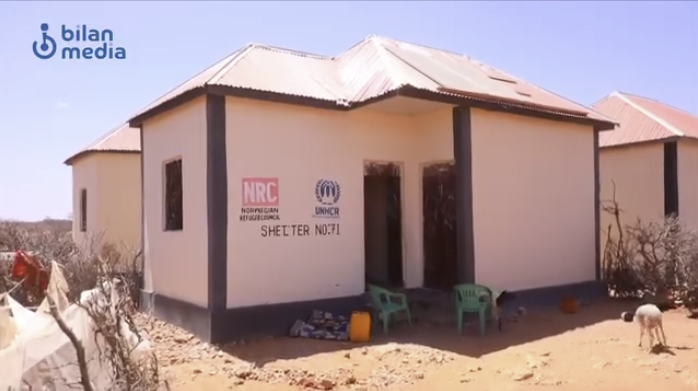
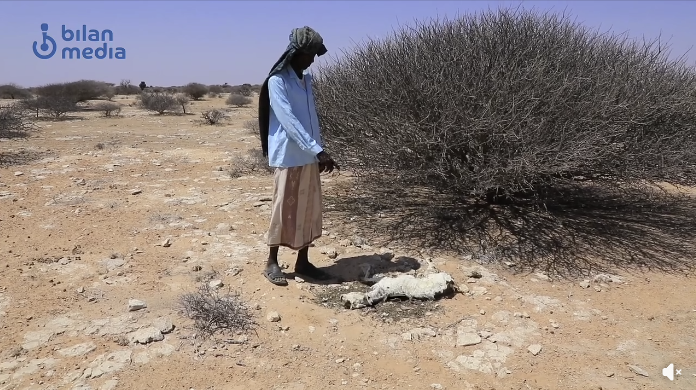
Severe drought forces widespread displacement in parts of Lower Jubba
A growing number of pastoralist families in parts of Lower Jubba have begun leaving their homes as a severe drought tightens its grip on the region. The prolonged dry spell has depleted pastureland, dried up water sources, and left livestock weakened, forcing communities to move in search of areas that have received small amounts of rainfall.
Families interviewed say they were compelled to pack up their belongings and relocate to places where they can still find water, grazing land for their animals, and basic food supplies. Many describe the drought as one of the harshest in recent years, warning that both people and livestock are now facing increasing hardship.
In several towns across Lower Jubba, residents have held *roob-doon* prayers, seeking divine intervention amid worsening conditions. Local administrations, religious leaders, and community groups have jointly appealed for urgent assistance for vulnerable households who have lost access to food and water.
Humanitarian concerns continue to rise, as communities fear the situation may deteriorate even further in the coming weeks if no rainfall occurs. With grasslands drying up rapidly and water points shrinking, families say they may be forced to travel even longer distances, especially since the nearest wells are becoming increasingly difficult to reach.
Authorities and aid organizations are being urged to scale up emergency support to prevent a deeper crisis and to assist families whose livelihoods depend entirely on livestock and seasonal rains.
The Minister of Information for Somaliland, Ahmed Yasin Sheikh Ali Ayaanle, has announced his resignation following deadly clashes in Borama that left several people dead. The unrest erupted after the minister allowed a controversial Heer Isse event, sparking widespread protests in the city.
Minister Ayaanle, who remained absent from public view during the two days of protests, said the decision to permit the event was ultimately the responsibility of the President, who had authorized the controversial approval. “I cannot take responsibility for a decision that brought harm to my family and region; it was the President who sanctioned and communicated it,” the minister said.
He described the President as generous for allowing him to work alongside him and expressed gratitude for the cooperation during his tenure. Minister Ayaanle added that he submitted his resignation letter to the President today, which was accepted, and both prayed for the nation’s welfare.
The outgoing minister also addressed the people of the Awdal region, urging them to maintain peace and avoid further clashes with neighboring communities. “You have every right to protest, but avoid actions that can be exploited by adversaries or leave a dark mark in history,” he advised.
The situation in Borama has reportedly stabilized after President Abdirahman Mohamed Abdillahi suspended the Heer Isse event. A reconciliation meeting is scheduled for the 10th of the month to address the grievances of local communities.
However, the Isse clan has expressed dissatisfaction with the government’s decision and insists that the event proceed as planned.
Germany has formally granted full recognition to Somali diplomatic passports, a major upgrade that removes long-standing travel barriers for Somali officials and signals deepening trust between the two governments.
The decision, announced on December 3 by the German Federal Police and the Federal Ministry of the Interior, means Somali diplomatic passport holders including senior government officials, accredited diplomats, and eligible dependents can now enter Germany without the previous layers of scrutiny or mandatory visa requirements. Their documents will be processed with the same privileges and immunities afforded to other globally recognized diplomatic passports.
Until now, Somali diplomatic passports were often verified only at departure points in Somalia, with holders still facing cumbersome procedures upon arrival in Germany. The new policy aligns German practice with international conventions and integrates Somali diplomatic passports directly into Germany’s border-control and immigration systems.
German authorities described the move as “a demonstration of the advancement of travel documentation, travel services, and the strengthening of diplomatic relations between Somalia and Germany.” The update is already in effect, with internal guidelines for border and immigration officials reportedly revised.
The recognition marks a symbolic and practical milestone for Somalia. For years, Somali travel documents suffered from limited global acceptance due to concerns over security and institutional capacity. Germany, a leading EU member state and a major supporter of Somalia’s stabilization and governance reforms, is now offering one of the clearest endorsements yet of Somalia’s progress in modernizing its state systems.
Beyond easing travel, the shift represents a diplomatic vote of confidence. It normalizes the treatment of Somali diplomats, reinforces Somalia’s sovereign standing, and is expected to enhance bilateral cooperation across political, development, and security sectors. The decision may also set a precedent for other EU countries reviewing their own policies toward Somali travel documents.
With this recognition, Germany signals that Somalia is entering a new era defined not by past isolation but by reintegration, institutional maturity, and strengthened international partnerships.
In recent years, the number of Somali women joining the national police force has increased significantly, reflecting broader social changes and the country’s growing need for their contribution to security and post-conflict recovery.
For decades, women have played an essential role in family care and community support. Today, however, their responsibilities extend further, as they take on formal roles within the police force, contributing directly to public safety and community services.
Increasing Participation of Women in the Police
More than 2,000 women currently serve in the Somali Police Force, with several hundred more undergoing training to qualify for security duties. This trend highlights the gradual entry of women into fields traditionally dominated by men.
Senior police officials note that the presence of women has strengthened community relations, especially in areas where public trust and communication are critical.
Public Perception and Acceptance
According to Lt. Col. Qaali Ahmed Cadan, Head of Community Engagement within the Somali Police, the visibility of women in uniform has helped shift public perceptions:
“Communities often show encouragement and support when they see women serving in the police. This has motivated many young women to consider joining the force.”
How Women Joined the Force
Many women who now lead police stations or operational units joined during periods when recruitment was particularly challenging. Despite limited opportunities, they pursued demanding roles that had long been associated with men.
Lt. Col. Raxmo Salad Mohamed, Commander of the Xamar Jajab Police Station, explained:
“I joined the force unexpectedly, during a time when recruitment was difficult. But once I entered, I focused on serving the community.”
Comparing Roles of Men and Women
Police officials emphasize that men and women share the same formal duties, but women often demonstrate strengths in areas that require community interaction, empathy, and handling sensitive situations.
As Lt. Col. Qaali noted:
“The differences are work-related. Women often show patience and better engagement with the public in everyday duties.”
Women’s Contribution to Security and Stability
Women serve across multiple divisions within the police, including community protection social-affairs investigations security of key public facilities public awareness and outreach operations
Officials say their presence has helped build public trust, particularly among women and children who find it easier to approach female officers.
The growing number of women in the Somali Police Force reflects important social progress and the need for security institutions that are trusted, accessible, and community-focused. Although challenges remain including limited resources, workload pressures, and persistent social attitudes women continue to play a vital role in strengthening security and supporting Somalia’s long-term stabilization.
MAXAA HAWEENKA GOBOLKA SANAAG KAHORTAAGAN INEY DHAXLAAN HANTIDA GEEDAHA UDGOONKA ?
Kheyraadka Geedaha Udgoonka maxaa Haweenka Gobolka Sanaag Ka Hor Istaagaya Lahaanshaha Hantidan oo ragga Kaliya u Dhaxlaan ?
Somalia and Azerbaijan strengthen youth and sports cooperation in high-level meeting
A delegation from the Federal Government of Somalia’s Ministry of Youth and Sports, led by Minister Mohamed Abdulkadir Ali, has paid an official working visit to Baku, the capital city of Azerbaijan.
During the visit, Minister Ali held a comprehensive meeting with Azerbaijan’s Minister of Youth and Sports, Farid Gayibov. The discussions focused on expanding and strengthening cooperation between the two countries in several key areas, including youth policy development, cultural exchange and youth integration, training initiatives, athlete development, and the advancement of youth-centered projects in both nations.
Both ministers agreed on the importance of deepening the partnership between their respective ministries. They jointly emphasized the need to advance a Bilateral Agreement that would serve as an effective framework to address the evolving needs of youth and sports sectors in the two countries.
Throughout the meeting, the two sides also explored ways to formally launch a Memorandum of Understanding (MoU) that will outline the structure and mechanisms for sustained collaboration. The proposed MoU is expected to guide joint programs, capacity-building activities, and knowledge-sharing opportunities between Somalia and Azerbaijan.
The Minister’s visit marks a significant milestone in strengthening Somalia–Azerbaijan relations. Officials anticipate that the upcoming MoU will pave the way for substantial progress in youth empowerment, sports development, and broader people-to-people cooperation between the two nations.
Prime Minister Hamza meets the Global Council for Tolerance and Peace delegation in Mogadishu
The Prime Minister of the Federal Government of Somalia, Hamza Abdi Barre, today received a delegation from the Global Council for Tolerance and Peace, led by the Council’s President, Ahmed bin Mohammed Al-Jarwan.
Prime Minister Hamza listened to the delegation’s message, which underscored the importance of peace, reconciliation, and global cooperation. The visit also aimed at advancing discussions on a memorandum of understanding to be signed between the Global Council and the Somali Parliament.
The Prime Minister thanked the delegation for their visit and shared with them the national leadership’s vision built on the principle of “A reconciled Somalia, at peace with the world.” He highlighted the significant progress the DanQaran Government has made in restoring peace, promoting community reconciliation, and strengthening national unity.
The delegation included parliamentarians from the sisterly nation of Djibouti—Hon. Cilmi Maxabah Wala and Hon. Abdoow Kaamil Mohamed-alongside former Somali lawmakers and officials who accompanied the meeting.
At the conclusion of the discussions, Prime Minister Hamza Abdi Barre presented Chairman Ahmed bin Mohammed Al-Jarwan with a symbolic gift featuring a camel, an emblem deeply rooted in Somali culture representing generosity, resilience, and heritage.