
Todobaadkan Barnaamijka Waxa uu ku Saabsan yahay kaalinta Wadajirka iyo Iskashigu ka qaato horumarka Bulshada
Barnamijka waxaa diyaarisay Radio Warsan iyo BBC Media Action waxaan maalgelisay Midowga Yurub (European Union).


Todobaadkan Barnaamijka Waxa uu ku Saabsan yahay kaalinta Wadajirka iyo Iskashigu ka qaato horumarka Bulshada
Barnamijka waxaa diyaarisay Radio Warsan iyo BBC Media Action waxaan maalgelisay Midowga Yurub (European Union).
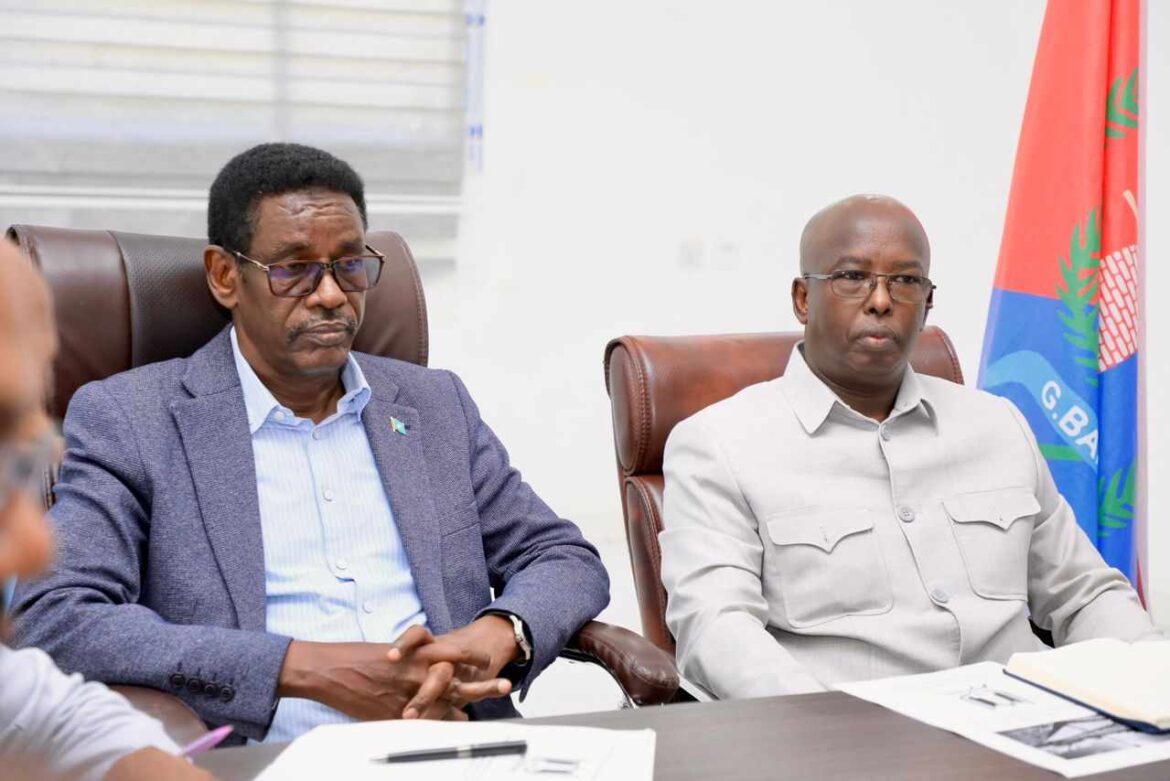

Wasiirka Wasaaradda Amniga XFS Cabdullaahi Sheekh Ismaaciil Fartaag iyo Guddoomiyaha Gobolka Banaadir ahna Duqa Magaalada Muqdisho Maxamed Axmed Amiir ayaa warbixin ka dhageystay Guddiga gurmadka deg-degga ee wax ka qabashada saameynta ka dhalatay roobabkii ka da’ay Magaalada Muqdisho iyo u diyaar garowga roobabka la filaayo.
Guddoomiye Kuxigeenka Howlaha Guud ee Maamulka Gobolka Banaadir ahna Guddoomiyaha Guddiga Gurmadka Deg-degga Xasan Maxamed Jimcaale ayaa sheegay in 24 saac ee lasoo dhaafay lagu guuleystay furista waddooyinkii ku xirmay roobabkii ka da’ay Magaalada iyo dib usoo celinta bilicda, hadana ay socdaan qorshaha dib loogu dhisi lahaa waddooyinkii ku bur buray.
Wasiirka Wasaaradda Amniga XFS Cabdullaahi Sheekh Ismaaciil Fartaag ayaa boogaadiyay sida Maamulka Gobolka Banaadir uu ugu jawaabay xaaladihii iyo saameyntii ka dhalatay roobabkii ka da’ay Magaalada, isla markaana ay hada ugu diyaarsan yihiin maareynta roobabka la filayo in ay da’aan.
Guddoomiyaha Gobolka Banaadir ahna Duqa Magaalada Muqdisho Maxamed Axmed Amiir ayaa kula dar-daarmay Guddiga Gurmadka Deg-degga iyo shirkadaha ka shaqeeya dhismaha waddooyinka in la dar-dargeliyo qorshaha dib-u-dhiska Kaabayaasha, asigoona bulshada ugu baaqay in feejignaan la muujiyo isla markaana la isku gar-gaaro.

Kusimaha Madaxweynaha DKGS ahna Gudoomiyaha Golaha Wakiilada DKGS mudane Dr. Ali Said Fiqi iyo Wasiirka Wasaaradda Caafimaadka DKGS mudane Said Ahmed Ali ayaa daahfuray talaalada cusub ee Oofwareenka (PCV13) iyo kan shubanka (Rotavirus) oo ka mid noqon doona jadwadka tallaalada dalka.
Munaasabadda waxaa ka soo qeybgalay Agaasimaha Guud ee Wasaaradda Caafimaadka Dr. Ibrahim Adam Ali, Agaasime waaxeedyada iyo howlwadeenada kale ee Wasaaradda Caafimaadka, wakiilo ka socda Hay’adaha WHO iyo UNICEF, bahda caafimaadka iyo marti sharaf kale.
Agaasimaha Guud ee Wasaaradda Caafimaadka DKGS, Dr. Ibrahim Adam Ali oo ka hadlay munaasabadda daahfurka tallaallada cusub ee PCV13 iyo Rotavirus ayaa sheegay in Wasaaradda Caafimaadka ay si joogto ah uga go’an tahay xoojinta barnaamijyada tallaalka, si loo xaqiijiyo caafimaadka guud ee bulshada. Isagoo munaasabada ka sheegay in Wasaaradda Caafimaadka qaban doonto olole ballaaran ee tallaalka isku dhafan ee Jadeecada iyo Oofwareenka kaas oo laga fulin doono dhamaan degmooyinka iyo deegaannada hoos yimaada Dowladda Koonfur Galbeed Soomaaliya.
Wasiirka Wasaaradda Caafimaadka DKGS mudane Said Ahmed Ali oo ka hadlayay munaasabad daahfurka tallaallada cusub ee PCV13 iyo Rotavirus ayaa u mahadceliyay Hay’adaha UNICEF iyo WHO isagoo hoosta xariiqay muhiimadda ay tallaalladani u leeyihiin badbaadinta nolosha carruurta iyo ka hortagga cudurrada dilaaga ah ee sida weyn u saameeya carruurta. Wasiirka ayaa carrabka ku adkeeyey in daahfurkan uu muujinayo dadaalka ay dowladdu ku bixineyso horumarinta adeegyada caafimaadka, gaar ahaan barnaamijka tallaalka qaranka, wuxuuna ugu baaqay waalidiinta iyo bulshada in ay si firfircoon uga qaybqaataan ololaha tallaalka kana faa’ideystaan.
Ugu dambeyn, Kusimaha Madaxweynaha ahna Guddoomiyaha Golaha Wakiilada DKGS mudane Dr. Said Ali Fiqi oo ka hadlay munaasabadda ayaa sheegay in daahfurka tallaallada cusub ee PCV13 iyo Rotavirus uu yahay guul weyn oo u soo hoyatay shacabka Koonfur Galbeed, gaar ahaan carruurta nugul ee u baahan daryeel caafimaad oo joogto ah. Isagoo madasha ka sheegay sida Dowladda Koonfur Galbeed Soomaaliya ay mar walba mudnaan u siineyso horumarinta adeegyada aasaasiga ah, gaar ahaan caafimaadka, isagoo xusay in Golaha Wakiilladu diyaar u yahay inuu taageero siyaasadeed iyo sharciyeed u fidiyo dadaallada Wasaaradda Caafimaadka ee lagu xaqiijinayo in adeegga tallaalku gaaro dhammaan shacabka, meel kasta oo ay joogaan.
Sidoo kale, Kusimaha Madaxweynaha wuxuu ugu baaqay dhammaan hay’adaha samafalka iyo bulshada qeybaheeda kala duwan in ay garab istaagaan dadaallada caafimaad ee socda, si loo xaqiijiyo bulsho caafimaad leh, carruurtana ay u helaan fursad ay si buuxda ugu koraan iyo loogana badbaado cudurada dilaaga ee carruurta saameeya.

MOGADISHU
As the seemingly endless cycles of droughts, floods and conflicts continue to batter Somalia’s population, ever-growing numbers of people are fleeing to the outskirts of urban areas, especially the capital Mogadishu. The United Nations estimates that more people will live in towns and cities than in rural areas by 2026. Mogadishu is said to be the second fastest-growing city in the world, largely due to the massive influx of displaced people, 79 per cent of whom are women and children.
According to a report by the US-based rights group Refugees International, most of the millions of people fleeing from rural to urban areas in Somalia are not going home, not now and not ever. Some have lived in makeshift camps for more than three decades.
Many of the 4.3 million people internally displaced (IDPs) in the country have to find new ways of making a living. Most have lived as farmers and pastoralists. Their skills do not translate to making a living in the city. They have to start all over again.
Thirty-one-year-old Fatima Mohamed Iise arrived in the Asal IDP camp in June 2023 with her seven children. The camp is home to about 800 families and is one of the newest settlements to spring up on the outskirts of Mogadishu.Â
She fled from Qoryoley district in southern Somalia’s Lower Shabelle region after drought killed all her livestock. Her husband stayed behind to protect their home and few other remaining belongings.
“We had a very good life as pastoralists. We had about 40 cowsâ€, she says. “Now we have none so I had no choice but to come to Mogadishu with my children.â€
There was no humanitarian assistance available for Iise and her family when she arrived at Asal camp. She panicked as she had no idea how to feed herself or her children. Other women who arrived at the camp before her urged her to go to surrounding neighbourhoods and hunt for work.Â
“My nine-year-old daughter and I go out early every morning to look for work,†she says. “The only jobs we can find are laundry work and tidying up construction sites which pay between $1 and $1.50 a day. This is not enough to pay for basic necessities but it’s better than nothing at all.â€
“We only have countryside skills and nobody needs these in the city.â€
Residents of Asal camp do not have regular jobs. Like Iise and her daughter they go out every morning in search of day labour. The most common forms of work women find are cleaning people’s houses, doing their laundry and washing up in restaurants.
Children start working from the age of four or five. Girls wash dishes, boys shine shoes or work in restaurants.
The irregular money they earn, between $1 and $2 a day when they find work, keeps them trapped in a cycle of poverty.
“I use my earnings to buy rice, beans or maize meal. We eat once a day at lunchtime,†says Iise. The rest of the time we drink tea. My children and I go to sleep on empty stomachs.â€
Like other female IDPs, Iise faces the additional challenge of harassment from men, especially members of the security forces, camp managers and others in positions of authority. Rape is common in IDP camps where shelters made from sticks, plastic and old clothes offer no protection from predators. Women and girls are also approached by men asking for sexual favours in return for food or employment.
“Men come to me offering to help me find a job or get some food,†says Iise. “Then they say they want something in return. They either want sex or to marry my daughters.â€
Seventy-year-old Hawa*[1] and her three-year-old granddaughter have been living in Asal camp for seven months. When she first arrived, she was one of the few lucky people to receive some humanitarian assistance. But supplies dried up in May after she refused a request for sex from one of the men managing the camp and controlling the distribution of aid.Â
“No sex, no food,†she says. “The circumstances of my life now are beyond anyone’s imagination. It is hard to believe the reason why I no longer receive food aid but that is the truth.â€
“The camp manager asked me to engage in some misbehaviour if I wanted food,†says Hawa. “I asked what he meant and he said he wanted sex. I was shocked and angrily I rejected him. Since then I haven’t received a single grain of food.â€
Hawa says demands for sexual favours are becoming increasingly common in Mogadishu’s IDP camps.
“Some girls and women agree to have sex with these men,†she says. “It is so sad.â€
Women and girls also face sexual harassment in their workplaces, especially those who clean restaurants and shops.
“The male shopkeepers and their staff offer women food and extra money in return for sexual favours,†says Hawa. “The situation is better for IDPs who work in people’s houses because it’s women who stay at home while men go out to work.â€
“The employers who are kindest to us are older women. They sometimes give us extra money.â€
Now that she no longer receives aid, Hawa leaves the camp every morning to hunt for cleaning work in construction sites and restaurants. Sometimes she does laundry for families in nearby neighbourhoods.Â
She usually takes her granddaughter to work with her. Sometimes she leaves her in the care of other women in Asal.Â
One of the most desperate women in the camp is S’iido Hassan Moalim. She was forced to abandon her nomadic life in Kuntuwaarey district in Lower Shabelle after drought dried up the land and destroyed all her livestock. Moalim is not married and she has never had children. She is sixty-six years-old and her eyesight is extremely poor.
“I live here alone,†says Moalim. “I believe I am the poorest person in this camp. I cannot see, I cannot work and I have received no voucher cards for food aid.â€
Moalim’s neighbours sometimes share what they have with her but often she has nothing.
“The weak have no rights,†she says.
“The residents of this camp who benefit are those who accept the demands of the men in charge. I cannot do that because I am old and I respect my culture which forbids such activities.â€
“Nobody respects young girls and women,†says Moalim. “The men call on them anytime they want. When their needs are satisfied they give them money or food.â€
Iisho Mukhtar Adam arrived in Asal camp at the end of June 2023 after fighting in Kuntuwaarey district forced her to flee her home with her three young sons. She started working as a cleaner and laundrywoman almost immediately and manages to buy some food for her children with her earnings.
“I wash the clothes and clean the houses of people who are better off than me,†she says. “I earn between $1 and $2 a day. I work long hours in order to manage the life of my family as best I can.â€
Adam explains how IDPs who work in people’s houses are occasionally beaten by their employers who sometimes accuse them of stealing their property. Â
“At the end of the day, some people say they don’t have money to pay us and that we should come back to following day to collect it,†she says. “Others don’t pay us at all. They have no respect for us. Most employers look down on us but some more educated people treat us as humans.â€
She says there is nobody to call on for help. The police tend to be busy dealing with Mogadishu’s endless security threats. Many are corrupt.Â
“Nobody listens to us,†says Adam. “The only thing to do is tell the media about our plight and hope that somebody with the power and resources to do so will help us.â€
She says she has heard about the sexual abuse of other women and girls in the camp.Â
“I have not yet been asked for sexual favours,†she says. “Most people keep silent about it because they know that if they complain they will be expelled from the camp.â€
People living in one of Mogadishu’s oldest IDP camps, known as Allah-dhowr, suffer similar problems to those in Asal. Rahma Mohamed arrived there with her husband and four children in January 2022 after drought killed the family’s livestock in southern Somalia’s Kuntuwaarey district.
Mohamed and her husband get up early every day and walk to the surrounding neighbourhoods in search of work. They leave their children with fellow camp residents.
“Often the people I work for pay me less than what we agreed on,†she says. “We might agree on $5 but at the end of the day they only pay me $3.â€
Although she is regarded as an outsider by residents of Mogadishu, Mohamed has no intention of leaving.
“Despite being viewed as a refugee by the people of Mogadishu, I want to establish my own small business here to support my family.â€
IDP children also suffer prejudice.
15-year-old Asmo Abdi Farah Ahmed went to koranic school in Mushaan district before drought forced her to flee to Mogadishu in 2023. Now she works alongside her mother as a maid and washerwoman.
“The children in neighbourhoods surrounding our camp go to school and play together,†she says. “Sometimes they make fun of me for not going to school. They say I am just a ‘village kid’â€.
Even those who have lived in Mogadishu for years are looked down on and seen as temporary residents.
œAlthough some have lived in the city for years, I hesitate to consider them as full residents,†says Sayid Omar, a Mogadishu resident. “I see them as second-class citizens, even if they settle permanently and integrate into city life. It’s true that people in the capital come from different backgrounds but this doesn’t automatically grant them equal status or opportunities within the city.â€
“People here still consider me a displaced person, a refugee, even though I have lived here for 16 years,†says 60 year-old Mukhtar Abdalla Abdow. He fled his home area of Janaale more than 30 years ago, first to the central city of Galkayo, then to Mogadishu. “I consider myself a local resident,†he says.
Refugees International says “Many long-standing IDPs more closely resemble urban poor and have a different set of needs than new arrivals.â€
Another resident of Mogadishu, Juweeriya Mohamed Ibrahim, has a more welcoming attitude to IDPs.
“I see them as normal people who came here because their lives were threatened by floods, drought and conflict,†she says. “For me, if they have lived in Mogadishu for more than five years, I consider them to be residents just like me.â€
“Others often say they are second-class citizens. I firmly believe they are not.â€
Bilan is Somalia’s first all-women media team. Funded by the European Union through UNDP and hosted by Dalsan Media Group, Bilan shines a light on the issues women care about and offers a platform for women’s voices.
Hinda Abdi Mohamoud
Chief editor of Bilan, Somalia’s first all-women media house

Ka haween ahaan misane ku maamulaya qolal warar guduha dalalka Afgaanistaan ​​iyo Soomaaliya, oo ah dalal si joogto ah loogu daro kuwa ugu xun ee dumar ku nolyihin adduunka oo dhan, waan ogsoonahay waxa inooga lumaya la’aanta dumar jooga goobaha wax kadhaceen ee u kuur galaya in ey dadka kala hadlaan wixi goobta ka dhacay.
Keliya lama luminayo in ka badan laba qeebood qeyb aragtida dad weynaha, waxaa kaloo meesha ka baxaya hab aragti dhan. Waxaa sidoo kale meesha ka baxaya aragtida saxda ah oo laga heli lahaa haweenka iyagu lagu qasbay guurka iyagoo caruur ah, hooyooyinka keli ilmo korsanaya, iyo dhibanayaasha xadgudubka galmo doonka ah. Waxaa kaloo meesha ka baxaya sahan qoto dheer oo ku aadan gudniinka fircooniga ah iyo niyad-jabka umusha ka dib. Bulshadda dhexdooda, dumarku waxa ey arkaan waxyaabo aan raggu awoodi karin oo dumarka u gaar ah ragguna eysan awoodin in ey ka war bixiyaan.
Dabcan majiro wadan kamida kuwa dunida kaas oo haweenku eysan aheyn in ee ka mid noqdaan saaxadda warbaahinta. Haddana gabdhaha suxufiyiinta ah ayaa weli si buuxda uhelin matelaad. Daraasad ay dhawaan samaysay hay’adda caalamiga ah ee warbaahinta haweenka ayaa lagu ogaaday in haweenku ay yihiin saddex meelood meel shaqaalaha suxufiyiinta caalamka. Dalka Afgaanistaan, waxaa ka shaqenayay ilaa 2,000 oo gabdhood oo suxufiyiin ah saddex (3) sano ka hor; December ti eynu soo dhaafnay waxa ey noqdeen dhowr boqol kaliya. Dalka Soomaaliya, in ka yar 30 boqolkiiba suxufiyiinta dalka waa haween.
In kasta oo ey tahay dhif iyo nadir in Afgaanistaan ​​iyo Soomaaliya ey kaso wada muuqdaan dhacdooyinka adduunka, haddana waddamadeennu waxa ey wajahaan caqabaddo isla mid ah marka ay timaaddo helidda in haweenka ey soo gudbin karaan aragtidooda.
y Zahra Joya; Editor of Rukhshana and Hinda Abdi Mohamoud; Editor of Bilan;

WARBAAHIN OO CAALAMI AH : In waxyar ka badan labo (2) sano ka hor ma jirin wax la yiraahdo Bilan Media. Hadda kooxdeena yar oo ka kooban lix gabdhood oo suxufiyiin ah oo ku sugan Muqdisho, Soomaaliya waxa ey kaso muuqdeen masraxa caalamiga ah iyaga oo ku guuleystey abaalmarinta Hal-abuurka Saxaafadda Xorta ah ee Warbaahinta Adduunka oo tartankeedu aad u adkaa una heer sareeyay.
Mid ka mid ah meelaha ugu khatarta badan adduunka in lagu noqdo suxufi, kaba sii daran haddii aad tahay qof dumar ah, abaalmarintani waxa ey inooga dhigantahay wax ka badan abaal marin koob. Ma aha oo kaliya aqoonsiga heerka eynu gaarnay balse waxa ey cadeen u tahay sidda ey inooga go’an tahay suura gelinta saxaafad aan cabsi laheyn misane xor ah.
Marka laga sootago kor u qaadista sumcadeena, abaalmarintani waxaa kaloo ey sare u qaadaysaa in eynu soo gudbino oo aan ka warbixino codadka bulshooyinka Soomaaliyeed. Waxaa kaloo oo ey xoogga saareysaa muhiimadda ay xorriyadda saxaafaddu u leedahay ku shaqeeynta xaalad adag. Doorka Bilan waa in ey soo gudbiso xaqiiqda iyo in ey cod siiso dadka aan codka lahayn, inkastoo aan la kulano khataro maalinle ah inta aan ku gudda jirno shaqaddeena. Dalka Soomaaliya waa iska caadi in suxufiyiintu ey wajahaan cabsi gelino, xarig iyo xadgudub.
Xorriyadda saxaafaddu keliya ma’aha xuquuq; waxa ey furre u tahay dimuqraadiyadda waxa eyna horseedaa horumarka bulshadda. Waxa eynu aragnay sida warbixinteena ku aadan arrimaha la-xariira sida baraska, AIDS-ka iyo HIV-ga, hooyooyinka agoomaha ah iyo yaraanta waxbarashada ee nadaafadda caadada ay u beddeleen hab-dhaqankii iyo ballanqaadyo isbeddel ah oo ka yimid laamaha dawladda.
Waxaa qasab ah in eynu la xisaabtanno kuwa madaxda ah, anagoo si joogto ah su’aalo uga weydiinno in ey ballanqaadyadaas fuliyeen iyo, haddii kale, waqtiga ey qorsheynayaan in ey fuliyaan.
Abaalmarintan kaliya ma eysan abuurin in Bilan usoo bandhigto caalamka -waxa ey ku dhiiri galisay sauxufiyiinta kale ee Soomaaliyeed in ey ku dadaalaan sidii ay aqoonsi kan la mid ah u heli lahaayeen. Abaalmarinta Xoriyadda Saxaafada waxa ey kawada dhaxeysaa dhammaan suxufiyiinta dalka Soomaaliya kuwoodaa raadiya misane soo gudbiya xaqiiqda.
Waxyaabaha kale oo la taaban karo oo ey abaal-marintan inoo horseeday ayaa ah in ey wax ka bedeshay sida ey dadka Soomaaliyeed u arkaan Bilan. Qaar badan oo bulshadeena ah, oo ey ka mid yihiin xubnaha qoysaskeena iyo asxaabteena, ayaa la dhacsaneyn oo xitaa cadaawadeeyay, shaqadeena. Ku guuleysiga abaalmarinta ayaa door weyn ka ciyaartay in aan hanano ixtiraamka iyo taageeradda bulshadda. Bilan waxa ey u suurta gelisay suxufiyiinta dumarka ah ee ku sugan Soomaaliya in ey sheekoyinkooda uso gudbiyaan warbaahinadda gudaha iyo kuwa caalamkaba. Shaqaalaha dumarka ee ka howlgala warbaahinadda ayaa inta badan la takooraa misane la dhibaateeyaa.
Hadda waxa aan heysanaa madal aan ku go’aansan karno waxa aan doonayno in aan ka warbixinno iyo meesha aan ka qaadan lahayn sheekooyinka. Waxaa jirta, si ka duwan inta badan warbaahinta Soomaalida, in eynaan diiradda saarin siyaasadda iyo khilaafka. Marka aan duubno, qorno oo aan tafatireyno sheekooyinkeena isla inaga, waxaan haysanaa xakameyn buuxda. Goobteena shaqadda oo awood u leh ayaa noo suurtageliyay in aan iftiimino sheekooyin gaar ah, iyo kuwo taban iyo kuwo togan.
Shaqadeena waxa ey noqon kartaa mid adag oo niyad jab leh. Waxa aan si maalinle ah ula kulanaa caqabado oo ey kamid yihiin in nalagu aflagaadeeyo doorashadeena saxufinimadda taasoo dad badani ey u arkaan xirfad aanan logu tala gelin dumarka. Waxaa nala waydiyaa sababta aan guriga aanan u joogin oo aanan ugu koobneyn howlaha guriga sidda in aan cuntadda karino, guriga nadiifino iyo in aan caruurta xanaaneyno ama aan heyno.
Ku guuleysiga abaal marinta saxaafad xor ah waa eyna dardargelisay, niyadana ineegu dhisantay misane waxa ey nagu dhiiri galineysa in aan sii wadno raadinta xaqiiqadda iyo in aan fursad usiino dadka la hayb sooco ee bulshadeena in ey soo gudbiyaan sheekooyinkooda.
By; Hinda Abdi Mohamud & Ifrah Isse Mohamed

Eating charcoal during pregnancy is a long-standing tradition in Somali communities. But are people aware of the health risks?
Obstetrician, Dr. Ahmed Fartaag explains that eating charcoal can cause serious health problems for both the unborn baby and the mother. It can lead to issues like constipation, stomach pain and digestive problems.
Pregnant women often crave charcoal and other non-food items. It is a condition known as pica. Some studies suggest that a craving for charcoal is a sign of anaemia. A specially treated charcoal, known as ‘activated charcoal’ is considered safe to take but only in small quantities. It is not the same as normal charcoal which should be avoided.
Sahra Mahamud, who sells charcoal, says many pregnant women eat charcoal to satisfy cravings.
“I began selling charcoal two years ago and soon saw women eating it. They would pick up pieces from the ground, put them in their mouths and eat them.”
The social activist Khadiija Mahamed Guutaale has written about how many Somalis are still unaware of the dangers of eating charcoal. Many do not know that the production of charcoal is harmful for the environment.
Trees have been cut down across Somalia to make charcoal, especially acacia or galol trees. This leaves the land stripped of vegetation. Charcoal made from acacia is prized across the world. Somalia continues to export charcoal, especially to the Gulf, despite an international ban imposed in 2012.
“I have seen the effects of eating charcoal on pregnant women since I was young. I’ve seen many people close to me affected by this, which is why I decided to write about its harmful effects on health and the environment.”
By Naima Said Salah with Asma Mohamud Hassan

Plastic pollution is one of the main environmental challenges in the world today, with global plastic waste reaching 400 million tonnes annually, according to the UN Environmental Program report.
Around the world, one million plastic bottles are purchased every minute, and up to five trillion plastic bags are used every year. In total, half of all plastic produced is designed for single-use purposes, the report added.
In Somalia, plastic waste is a major environmental issue due to rapid urbanisation, population growth, and the lack of proper waste management systems. It stretches everywhere—in streets, markets, waste dumping sites, overcrowded residential areas, or other open places.
In Mogadishu, which has nearly 3 million residents, daily consumption of single-use plastics, like water bottles, plastic bags, food packaging, and others, are discarded after just one use.
Despite the Somali Ministry of Environment and Climate Change banning single-use plastic bags last year, they are still excessively used in the community due to their affordability, accessibility, and lack of alternatives, according to a recently published survey in Mogadishu.
Displaced women find hope and income through collecting plastic waste from the streets of Mogadishu and selling it to the factory. One of them is Fatima Abdi Osman, a mother of nine who previously worked as a cleaner. After the factory was built, she started collecting plastic instead, which pays more.
“I collect 24 kg of plastic bottles and get nearly 80,000 Somali shillings a day, which is approximately $3,” Fatima said.
Environmental activist and lecturer Aided Hassan, warns of the ecological damage caused by plastic waste. “Most of those plastic wastes end up in the soil, seas, lakes, and rivers of the country, so if these microplastics enter into the soil, they can change the physical structure of the soil and limit its capacity to hold their water, which can cause a reduction in root growth of the plant and nutrient uptake.” He explained.
“In the sea, when plastic waste enters into the sea, it can harm or kill a hundred marine species and also can threaten the habitats they depend on. The biggest problem is that used plastic bags are usually eaten by animals living on the streets, like cows. After they get sick, their meat is going to be eaten by people,” added Hassan.
To address the growing problem of single-use plastic threatening the ecosystems and wildlife, local businessman Abdi Hirsi Ali stepped up to tackle the issue, which also degrades the city’s cleanliness.
He founded a factory called African Solution with the motto “Waste is a Resource” that turns waste into valuable materials. With more than 20 workers, the factory turns plastic waste into building materials such as paving stones, wall bricks, and roofing tiles, and also organic fertiliser, as its operation manager, Nasdurin Ali, stated.
“Monthly, we collect 30 metric tonnes of plastic waste but recycle only 20 tonnes due to higher electric prices.”
Environmental experts believe that plastic recycling can create hope in the country, but to maintain a cleaner environment, there is a need for a strict and effective law banning the use and import of single-use plastics.
Sadia Nour, Bilan media
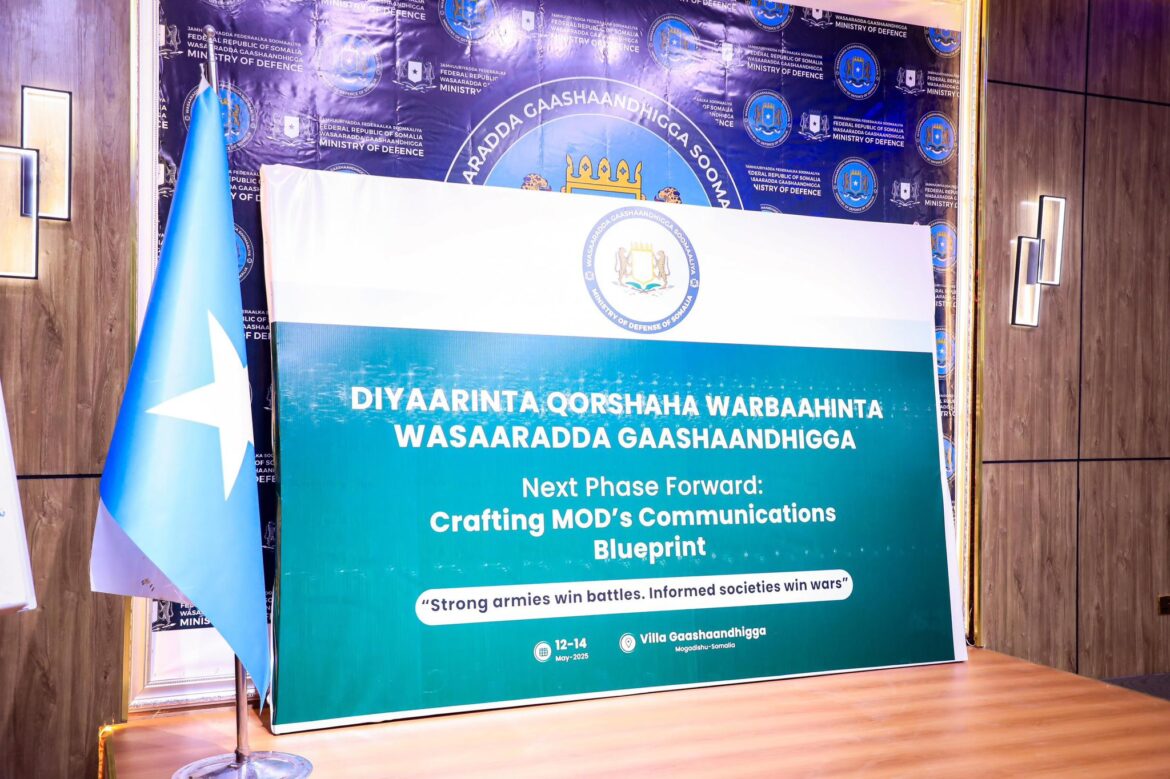

Wasiirka Gaashaandhigga XFS, Danjire Ahmed Moallim Fiqi, ayaa maanta si rasmi ah xarunta Warbaahinta ee Wasaaradda uga daahfuray tababar loogu talagalay diyaarinta iyo mideynta qorshaha warbaahineed ee Wasaaradda Gaashaandhigga iyo Ciidanka Qalabka Sida. Tababarkan oo socon doona muddo saddex maalmood ah, ayna bixinayaan khubaro warbaahineed, waxaa ka qaybgalaya howlwadeenada warbaahinta ee CXD iyo Wasaaradda, iyadoo yoolku yahay in la xoojiyo awoodda gudbinta fariimaha la xiriira amniga iyo difaaca dalka.
Ujeeddooyinka tababarkan waxaa ka mid ah mideynta fariimaha dagaalka ka dhanka ah Khawaarijta, dhisidda kalsoonida iyo wacyigelinta bulsho oo ku aaddan la dagaallanka fikirka xagjirka ah. Wasiir Fiqi ayaa carrabka ku adkeeyay muhiimadda ay leedahay in Wasaaradda iyo Ciidanku yeeshaan cudud warbaahineed oo midaysan, isagoo xusay, “Ciidan xooggan waxay guulo ka gaaraan goobta dagaalka – bulsho wacyi lehna waxay ku guulaysataa dagaalka oo idil.” Wuxuuna intaa ku daray in la doonayo in bulshada iyo caalamka loo bandhigo “safarkeena nabadeed iyo isku filnaansho.”
Gabagabadii, Wasiirka Gaashaandhigga ayaa sheegay in himilada dhow ay tahay in Xarunta Warbaahinta ee Wasaaraddu ay noqoto il-wareed caalami ah oo lagu kalsoonaan karo oo laga helo dhammaan xogaha la xiriira amniga iyo difaaca Soomaaliya. Tababarkan ayaa sidoo kale hiigsanaya in la xoojiyo iskaashiga, isla markaana la dhiirrigeliyo taageerada shacabka ee dagaalka dalka looga sifeynayo Khawaarijta, si loo gaaro Soomaaliya nabad ah oo xasiloon.

Guddoomiyaha Golaha Wakiillada Puntland Abdirisak Ahmed Said oo uu weheliyo Guddoomiye ku-xigeenka 2-aad Mohamed Mahamud Esse ayaa shir-guddoomiyey fadhiga 7-aad ee Guddiga Joogtada ah.
Fadhiga maanta waxaa warbixinta looga dhegeystey madax guddiyeedyada Golaha Wakiilada, tasoo ku aaddan xaaladda Guud ee Puntland sida Amniga, horumarinta dhaqaalaha iyo siyaasadda.
Dhinaca kale, fadhiga maanta waxaa looga doodey xal u helidda biyo saarista magaalada Gaalkacayo, iyadoo la isla qaatay in looyeero hay’adaha ku shaqada leh si wax looga weydiiyo caqabadaha hortaagan biyo saarista magaalada Gaalkacayo arrintaasoo cabashadeedu ku soo noq noqotay Golaha Wakiillada DPL.
Intaas kadib, waxaa warbixin hordhac ah looga dhegeystey guddi gaar ah oo fadhigii hore guddiga joogtada ahi u xilsaaray kormeerka Xabsiyada iyo la socda xaaladda maxaabiista, kuwaasoo kormeer ku tagey Xabsiga dhexe ee Gobolka Nugaal.